Conventional loans in Kansas: conforming limit, real monthly costs, PMI timeline
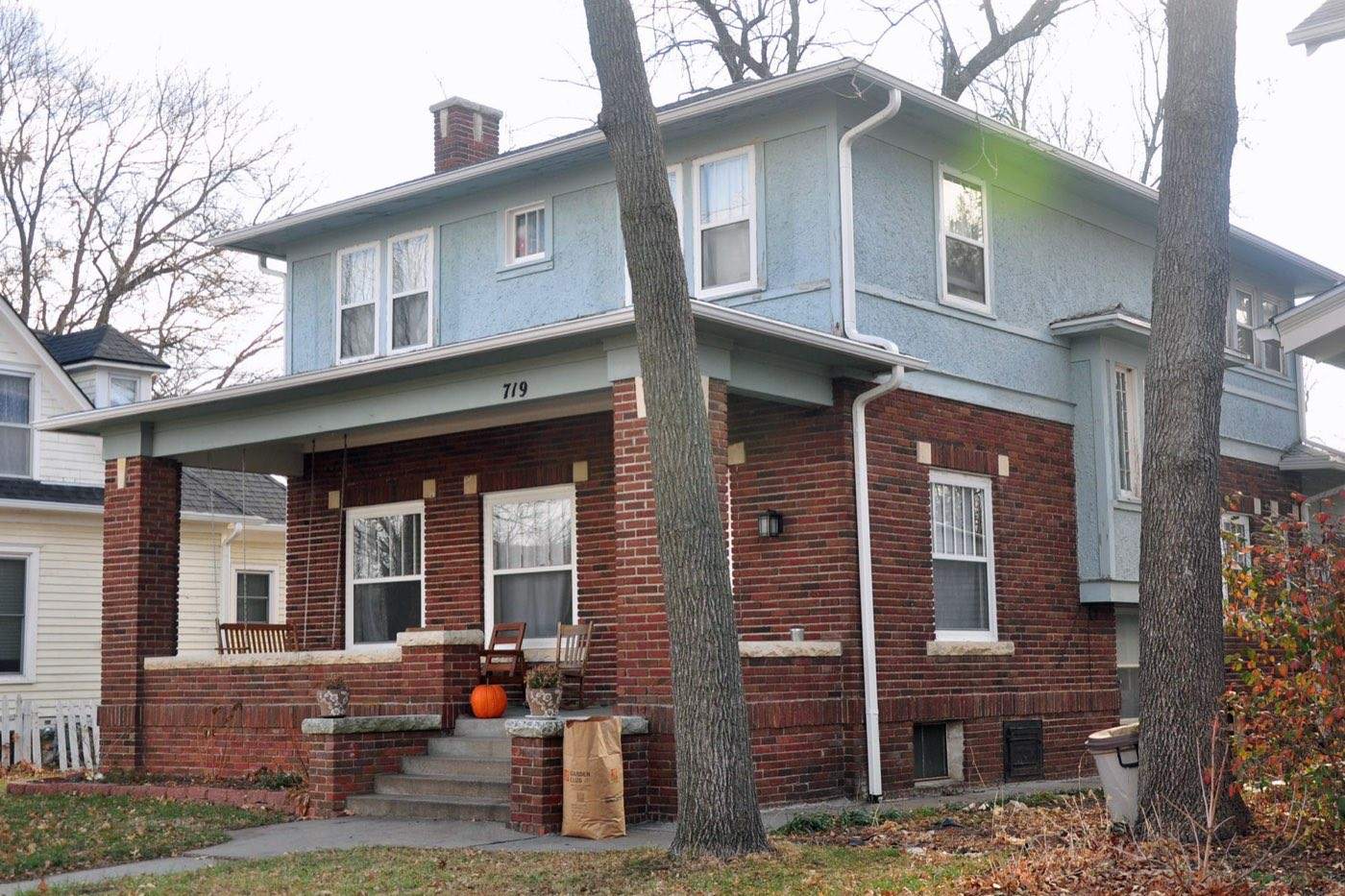
On Kansas’s rough $230,000 median, a conventional loan with 5% down means $11,500 at closing and about $1,775 a month with taxes and mortgage insurance; with 20% down, $46,000 and about $1,420. Everything below is worked on those numbers and on the state rules that change them.
| Conforming limit (2026, one unit) | $832,750 baseline — all 105 counties, no FHFA high-cost area |
|---|---|
| Median home price (approx.) | $230,000 — statewide order of magnitude |
| 20% down on the median | $46,000 down, loan $184,000, about $1,163/month P&I at 6.5% |
| 5% down on the median | $11,500 down, loan $218,500, about $1,381/month P&I + about $137 PMI |
| PMI ends (5% down, scheduled payments) | request at 80% after about 10 years and 4 months, automatic at 78% after about 11 years and 3 months |
| Property tax (effective) | about 1.34% — roughly $3,082 a year on the median |
| Closing practice | Title company closing state |
Loan limits: the Kansas picture
In Kansas, a one-unit conventional loan above $832,750 is jumbo in 2026. The median price of about $230,000 means the median buyer is well inside the limit even with 3% down (loan $223,100), so conforming rules apply to most purchases. Two-, three- and four-unit homes have higher limits. Every Kansas county is in the table below; see conforming loan limits and jumbo loans.
County-level loan limits in Kansas for 2026
FHFA’s 2026 county list gives every Kansas county the same one-unit limit, $832,750, and the same multi-unit limits ($1,066,250 / $1,288,800 / $1,601,750). Nothing in the state is designated high-cost, so a loan above $832,750 is jumbo anywhere in Kansas.
| County | 1 unit | 2 units | 3 units | 4 units |
|---|---|---|---|---|
| Allen County | $832,750 | $1,066,250 | $1,288,800 | $1,601,750 |
| Anderson County | $832,750 | $1,066,250 | $1,288,800 | $1,601,750 |
| Atchison County | $832,750 | $1,066,250 | $1,288,800 | $1,601,750 |
| Barber County | $832,750 | $1,066,250 | $1,288,800 | $1,601,750 |
| Barton County | $832,750 | $1,066,250 | $1,288,800 | $1,601,750 |
| Bourbon County | $832,750 | $1,066,250 | $1,288,800 | $1,601,750 |
| Brown County | $832,750 | $1,066,250 | $1,288,800 | $1,601,750 |
| Butler County | $832,750 | $1,066,250 | $1,288,800 | $1,601,750 |
| Chase County | $832,750 | $1,066,250 | $1,288,800 | $1,601,750 |
| Chautauqua County | $832,750 | $1,066,250 | $1,288,800 | $1,601,750 |
| Cherokee County | $832,750 | $1,066,250 | $1,288,800 | $1,601,750 |
| Cheyenne County | $832,750 | $1,066,250 | $1,288,800 | $1,601,750 |
| Clark County | $832,750 | $1,066,250 | $1,288,800 | $1,601,750 |
| Clay County | $832,750 | $1,066,250 | $1,288,800 | $1,601,750 |
| Cloud County | $832,750 | $1,066,250 | $1,288,800 | $1,601,750 |
| Coffey County | $832,750 | $1,066,250 | $1,288,800 | $1,601,750 |
| Comanche County | $832,750 | $1,066,250 | $1,288,800 | $1,601,750 |
| Cowley County | $832,750 | $1,066,250 | $1,288,800 | $1,601,750 |
| Crawford County | $832,750 | $1,066,250 | $1,288,800 | $1,601,750 |
| Decatur County | $832,750 | $1,066,250 | $1,288,800 | $1,601,750 |
| Dickinson County | $832,750 | $1,066,250 | $1,288,800 | $1,601,750 |
| Doniphan County | $832,750 | $1,066,250 | $1,288,800 | $1,601,750 |
| Douglas County | $832,750 | $1,066,250 | $1,288,800 | $1,601,750 |
| Edwards County | $832,750 | $1,066,250 | $1,288,800 | $1,601,750 |
| Elk County | $832,750 | $1,066,250 | $1,288,800 | $1,601,750 |
| Ellis County | $832,750 | $1,066,250 | $1,288,800 | $1,601,750 |
| Ellsworth County | $832,750 | $1,066,250 | $1,288,800 | $1,601,750 |
| Finney County | $832,750 | $1,066,250 | $1,288,800 | $1,601,750 |
| Ford County | $832,750 | $1,066,250 | $1,288,800 | $1,601,750 |
| Franklin County | $832,750 | $1,066,250 | $1,288,800 | $1,601,750 |
| Geary County | $832,750 | $1,066,250 | $1,288,800 | $1,601,750 |
| Gove County | $832,750 | $1,066,250 | $1,288,800 | $1,601,750 |
| Graham County | $832,750 | $1,066,250 | $1,288,800 | $1,601,750 |
| Grant County | $832,750 | $1,066,250 | $1,288,800 | $1,601,750 |
| Gray County | $832,750 | $1,066,250 | $1,288,800 | $1,601,750 |
| Greeley County | $832,750 | $1,066,250 | $1,288,800 | $1,601,750 |
| Greenwood County | $832,750 | $1,066,250 | $1,288,800 | $1,601,750 |
| Hamilton County | $832,750 | $1,066,250 | $1,288,800 | $1,601,750 |
| Harper County | $832,750 | $1,066,250 | $1,288,800 | $1,601,750 |
| Harvey County | $832,750 | $1,066,250 | $1,288,800 | $1,601,750 |
| Haskell County | $832,750 | $1,066,250 | $1,288,800 | $1,601,750 |
| Hodgeman County | $832,750 | $1,066,250 | $1,288,800 | $1,601,750 |
| Jackson County | $832,750 | $1,066,250 | $1,288,800 | $1,601,750 |
| Jefferson County | $832,750 | $1,066,250 | $1,288,800 | $1,601,750 |
| Jewell County | $832,750 | $1,066,250 | $1,288,800 | $1,601,750 |
| Johnson County | $832,750 | $1,066,250 | $1,288,800 | $1,601,750 |
| Kearny County | $832,750 | $1,066,250 | $1,288,800 | $1,601,750 |
| Kingman County | $832,750 | $1,066,250 | $1,288,800 | $1,601,750 |
| Kiowa County | $832,750 | $1,066,250 | $1,288,800 | $1,601,750 |
| Labette County | $832,750 | $1,066,250 | $1,288,800 | $1,601,750 |
| Lane County | $832,750 | $1,066,250 | $1,288,800 | $1,601,750 |
| Leavenworth County | $832,750 | $1,066,250 | $1,288,800 | $1,601,750 |
| Lincoln County | $832,750 | $1,066,250 | $1,288,800 | $1,601,750 |
| Linn County | $832,750 | $1,066,250 | $1,288,800 | $1,601,750 |
| Logan County | $832,750 | $1,066,250 | $1,288,800 | $1,601,750 |
| Lyon County | $832,750 | $1,066,250 | $1,288,800 | $1,601,750 |
| Marion County | $832,750 | $1,066,250 | $1,288,800 | $1,601,750 |
| Marshall County | $832,750 | $1,066,250 | $1,288,800 | $1,601,750 |
| McPherson County | $832,750 | $1,066,250 | $1,288,800 | $1,601,750 |
| Meade County | $832,750 | $1,066,250 | $1,288,800 | $1,601,750 |
| Miami County | $832,750 | $1,066,250 | $1,288,800 | $1,601,750 |
| Mitchell County | $832,750 | $1,066,250 | $1,288,800 | $1,601,750 |
| Montgomery County | $832,750 | $1,066,250 | $1,288,800 | $1,601,750 |
| Morris County | $832,750 | $1,066,250 | $1,288,800 | $1,601,750 |
| Morton County | $832,750 | $1,066,250 | $1,288,800 | $1,601,750 |
| Nemaha County | $832,750 | $1,066,250 | $1,288,800 | $1,601,750 |
| Neosho County | $832,750 | $1,066,250 | $1,288,800 | $1,601,750 |
| Ness County | $832,750 | $1,066,250 | $1,288,800 | $1,601,750 |
| Norton County | $832,750 | $1,066,250 | $1,288,800 | $1,601,750 |
| Osage County | $832,750 | $1,066,250 | $1,288,800 | $1,601,750 |
| Osborne County | $832,750 | $1,066,250 | $1,288,800 | $1,601,750 |
| Ottawa County | $832,750 | $1,066,250 | $1,288,800 | $1,601,750 |
| Pawnee County | $832,750 | $1,066,250 | $1,288,800 | $1,601,750 |
| Phillips County | $832,750 | $1,066,250 | $1,288,800 | $1,601,750 |
| Pottawatomie County | $832,750 | $1,066,250 | $1,288,800 | $1,601,750 |
| Pratt County | $832,750 | $1,066,250 | $1,288,800 | $1,601,750 |
| Rawlins County | $832,750 | $1,066,250 | $1,288,800 | $1,601,750 |
| Reno County | $832,750 | $1,066,250 | $1,288,800 | $1,601,750 |
| Republic County | $832,750 | $1,066,250 | $1,288,800 | $1,601,750 |
| Rice County | $832,750 | $1,066,250 | $1,288,800 | $1,601,750 |
| Riley County | $832,750 | $1,066,250 | $1,288,800 | $1,601,750 |
| Rooks County | $832,750 | $1,066,250 | $1,288,800 | $1,601,750 |
| Rush County | $832,750 | $1,066,250 | $1,288,800 | $1,601,750 |
| Russell County | $832,750 | $1,066,250 | $1,288,800 | $1,601,750 |
| Saline County | $832,750 | $1,066,250 | $1,288,800 | $1,601,750 |
| Scott County | $832,750 | $1,066,250 | $1,288,800 | $1,601,750 |
| Sedgwick County | $832,750 | $1,066,250 | $1,288,800 | $1,601,750 |
| Seward County | $832,750 | $1,066,250 | $1,288,800 | $1,601,750 |
| Shawnee County | $832,750 | $1,066,250 | $1,288,800 | $1,601,750 |
| Sheridan County | $832,750 | $1,066,250 | $1,288,800 | $1,601,750 |
| Sherman County | $832,750 | $1,066,250 | $1,288,800 | $1,601,750 |
| Smith County | $832,750 | $1,066,250 | $1,288,800 | $1,601,750 |
| Stafford County | $832,750 | $1,066,250 | $1,288,800 | $1,601,750 |
| Stanton County | $832,750 | $1,066,250 | $1,288,800 | $1,601,750 |
| Stevens County | $832,750 | $1,066,250 | $1,288,800 | $1,601,750 |
| Sumner County | $832,750 | $1,066,250 | $1,288,800 | $1,601,750 |
| Thomas County | $832,750 | $1,066,250 | $1,288,800 | $1,601,750 |
| Trego County | $832,750 | $1,066,250 | $1,288,800 | $1,601,750 |
| Wabaunsee County | $832,750 | $1,066,250 | $1,288,800 | $1,601,750 |
| Wallace County | $832,750 | $1,066,250 | $1,288,800 | $1,601,750 |
| Washington County | $832,750 | $1,066,250 | $1,288,800 | $1,601,750 |
| Wichita County | $832,750 | $1,066,250 | $1,288,800 | $1,601,750 |
| Wilson County | $832,750 | $1,066,250 | $1,288,800 | $1,601,750 |
| Woodson County | $832,750 | $1,066,250 | $1,288,800 | $1,601,750 |
| Wyandotte County | $832,750 | $1,066,250 | $1,288,800 | $1,601,750 |
Source: FHFA, Conforming Loan Limit Values for 2026 (county list, mortgages acquired in calendar year 2026). Limits are for Fannie Mae and Freddie Mac loans; FHA and VA use their own county figures.
The numbers: 3%, 5%, 10% and 20% down in Kansas
Worked at an illustrative 6.5% over 30 years on the $230,000 median. PMI uses order-of-magnitude annual rates by down payment; tax uses Kansas’s approximate 1.34% effective rate. Your county, score and insurer will move every column.
| Down payment | Cash down | Loan | P&I | PMI (est.) | Property tax | Monthly total |
|---|---|---|---|---|---|---|
| 3% | $6,900 | $223,100 | $1,410 | $167 | $257 | $1,834 |
| 5% | $11,500 | $218,500 | $1,381 | $137 | $257 | $1,775 |
| 10% | $23,000 | $207,000 | $1,308 | $86 | $257 | $1,651 |
| 20% | $46,000 | $184,000 | $1,163 | — | $257 | $1,420 |
Below 20% down, the 3% and 5% programs (HomeReady, Home Possible, Conventional 97) have income or first-time conditions; see 3% down conventional loans.
Cancelling mortgage insurance: the dates
Mortgage insurance on a conventional loan is temporary. With only the scheduled payments at 6.5%, the Kansas buyer who put 5% down reaches the 80% request point after about 10 years and 4 months and the 78% automatic point after about 11 years and 3 months; with 10% down the request point comes after about 7 years and 11 months. Paying an extra $138 a month toward principal, or asking for cancellation on a new appraisal after two years of appreciation, shortens the clock. The full rules are on how to remove PMI.
Closing costs and taxes in Kansas
Kansas closings are conducted by title companies, which examine title, issue the policies, handle escrow and record the mortgage without any requirement that an attorney attend. Attorneys are hired for contract review or for complicated estates and are otherwise rare at residential tables. Funding is wet, with the lender’s wire in hand before documents are released, and buyer closing costs of roughly 2 percent to 3 percent of the price are typical.
Kansas used to levy a mortgage registration tax under Kansas Statutes 79-3102, but the Legislature phased it out and the tax reached zero on January 1, 2019; in its place, register of deeds recording fees were raised to a per-page schedule. There is no real estate transfer tax on the deed either. A Kansas borrower therefore pays only recording fees when the mortgage is filed. Kansas has no real estate transfer tax and repealed its mortgage registration tax in 2019; only recording fees apply.
Kansas buyer closing costs typically run 2% to 3% of the price; with no transfer or mortgage taxes, the main items are lender fees, title insurance and prepaids.
Three Kansas rules to read before signing
Prepayment. Kansas lets consumers prepay loans covered by its Uniform Consumer Credit Code without penalty under Kansas Statutes 16a-2-509, with narrow exceptions that depend on the loan category and lien position. Fannie Mae and Freddie Mac do not buy loans with prepayment penalties, so a conforming loan will not carry one.
Spouses and title. Kansas follows separate-property rules and has no tenancy by the entirety, so a married couple typically holds as joint tenants.
Homestead. The Kansas homestead is unlimited in value and limited only by area — one acre in a city or 160 acres of farmland — under Article 15, Section 9 of the state constitution and Kansas Statutes 60-2301, one of the broadest protections in the country.
The complete state layer — licensing, predatory-lending limits, disclosures, foreclosure — is on mortgage laws in Kansas.
Frequently asked questions
What is the conforming loan limit in Kansas for 2026?
$832,750 for a single-family home, identical across Kansas’s 105 counties because FHFA found no high-cost area in the state for 2026. A loan above it is jumbo; a conforming first plus a second lien is the usual way to stay under.
When can I cancel PMI on a conventional loan in Kansas?
Under the federal Homeowners Protection Act you may request cancellation when the balance reaches 80% of the original value and the servicer must cancel automatically at 78%. On a $230,000 Kansas home bought with 5% down at an illustrative 6.5%, scheduled payments reach 80% after about 10 years and 4 months and 78% after about 11 years and 3 months; extra principal or a new appraisal showing appreciation can move the date up.
Does Kansas add anything to a conventional loan’s closing costs?
Kansas used to levy a mortgage registration tax under Kansas Statutes 79-3102, but the Legislature phased it out and the tax reached zero on January 1, 2019; in its place, register of deeds recording fees were raised to a per-page schedule. Kansas has no real estate transfer tax and repealed its mortgage registration tax in 2019; only recording fees apply. Kansas buyer closing costs typically run 2% to 3% of the price; with no transfer or mortgage taxes, the main items are lender fees, title insurance and prepaids.
Official sources for Kansas
- Kansas Housing Resources Corporation (KHRC): the state housing finance agency (first-time buyer loans, down payment assistance)
- Kansas Office of the State Bank Commissioner: licenses mortgage lenders and brokers and takes complaints
- NMLS Consumer Access: check any lender’s or loan officer’s license
- FHFA conforming loan limit files: the county limits shown on this page
Links checked September 22, 2026. Researched and edited by Clément Lacaille (Tech-Bharat); how we research.
Sources
Related: Buying another home before selling the first: qualifying with two payments, Conventional loan requirements in 2026: what Fannie Mae’s guide actually says, USDA vs VA vs FHA vs conventional: the four loan types compared, 2026 conforming loan limits: $832,750 in most counties, up to $1,249,125 in high-cost areas. First home in Kansas: programs and assistance. Hub: Conventional loan.