Conventional loan in North Carolina: what it costs on the median home, and when PMI ends
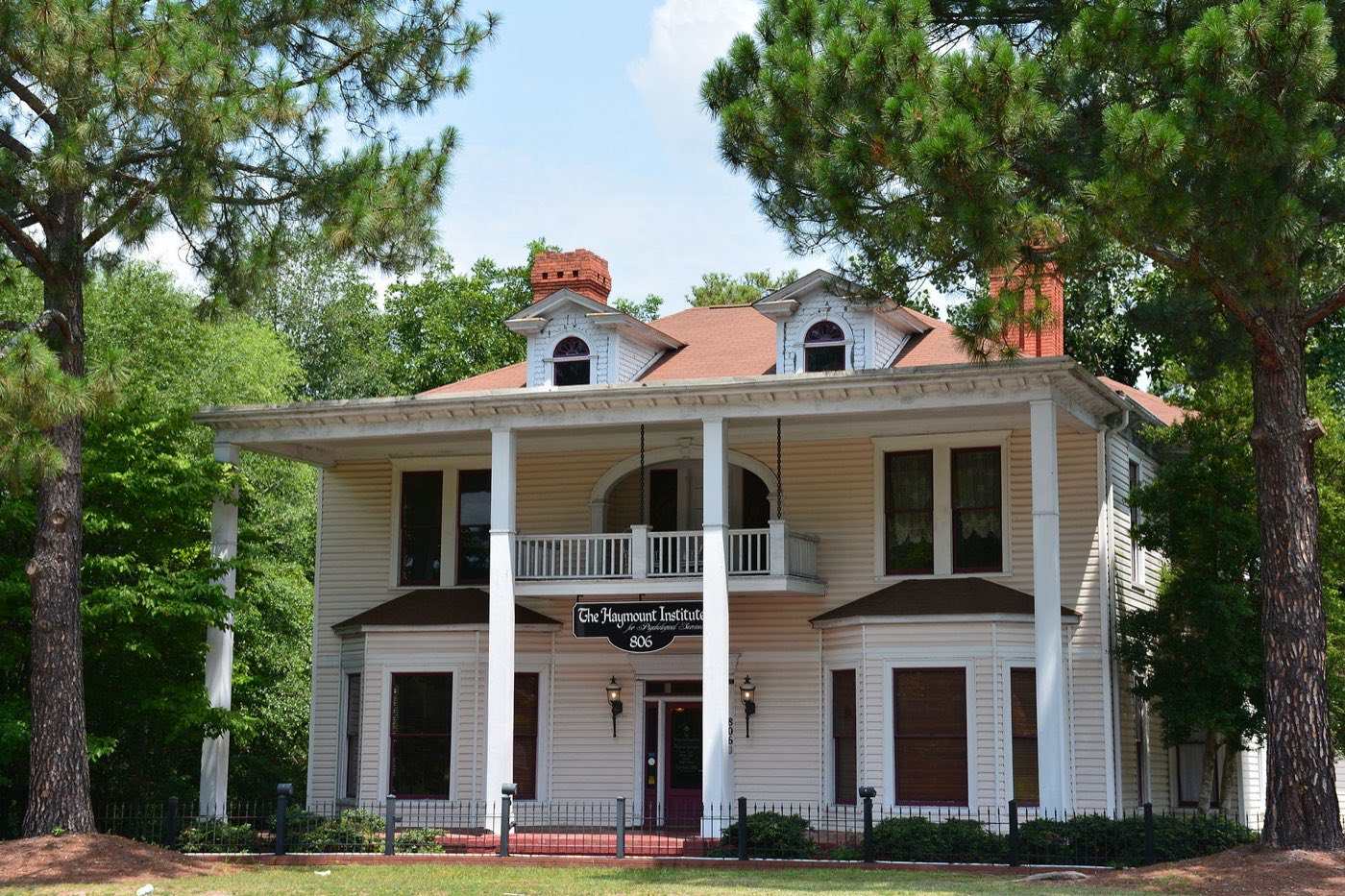
On North Carolina’s rough $330,000 median, a conventional loan with 5% down means $16,500 at closing and about $2,393 a month with taxes and mortgage insurance; with 20% down, $66,000 and about $1,884. Everything below is worked on those numbers and on the state rules that change them.
| Conforming limit (2026, one unit) | $832,750 baseline — all 100 counties, no FHFA high-cost area |
|---|---|
| Median home price (approx.) | $330,000 — statewide order of magnitude |
| 20% down on the median | $66,000 down, loan $264,000, about $1,669/month P&I at 6.5% |
| 5% down on the median | $16,500 down, loan $313,500, about $1,982/month P&I + about $196 PMI |
| PMI ends (5% down, scheduled payments) | request at 80% after about 10 years and 4 months, automatic at 78% after about 11 years and 3 months |
| Property tax (effective) | about 0.78% — roughly $2,574 a year on the median |
| Closing practice | Attorney closing state |
Loan limits: the North Carolina picture
$832,750 is the ceiling on a conforming one-unit loan in North Carolina for 2026. On the $330,000 median, a 20% down loan of $264,000 is 32% of the limit, comfortably conforming. Above the limit the loan is jumbo: typically a higher score, more reserves, a full appraisal and no automated-underwriting shortcuts. Every North Carolina county is in the table below; see conforming loan limits and jumbo loans.
County-level loan limits in North Carolina for 2026
For 2026 the FHFA county list shows a single tier in North Carolina: all 100 counties at the $832,750 baseline for one unit, $1,066,250 for two units, $1,288,800 for three and $1,601,750 for four. Above those figures a loan is jumbo, whatever the county.
| County | 1 unit | 2 units | 3 units | 4 units |
|---|---|---|---|---|
| Alamance County | $832,750 | $1,066,250 | $1,288,800 | $1,601,750 |
| Alexander County | $832,750 | $1,066,250 | $1,288,800 | $1,601,750 |
| Alleghany County | $832,750 | $1,066,250 | $1,288,800 | $1,601,750 |
| Anson County | $832,750 | $1,066,250 | $1,288,800 | $1,601,750 |
| Ashe County | $832,750 | $1,066,250 | $1,288,800 | $1,601,750 |
| Avery County | $832,750 | $1,066,250 | $1,288,800 | $1,601,750 |
| Beaufort County | $832,750 | $1,066,250 | $1,288,800 | $1,601,750 |
| Bertie County | $832,750 | $1,066,250 | $1,288,800 | $1,601,750 |
| Bladen County | $832,750 | $1,066,250 | $1,288,800 | $1,601,750 |
| Brunswick County | $832,750 | $1,066,250 | $1,288,800 | $1,601,750 |
| Buncombe County | $832,750 | $1,066,250 | $1,288,800 | $1,601,750 |
| Burke County | $832,750 | $1,066,250 | $1,288,800 | $1,601,750 |
| Cabarrus County | $832,750 | $1,066,250 | $1,288,800 | $1,601,750 |
| Caldwell County | $832,750 | $1,066,250 | $1,288,800 | $1,601,750 |
| Camden County | $832,750 | $1,066,250 | $1,288,800 | $1,601,750 |
| Carteret County | $832,750 | $1,066,250 | $1,288,800 | $1,601,750 |
| Caswell County | $832,750 | $1,066,250 | $1,288,800 | $1,601,750 |
| Catawba County | $832,750 | $1,066,250 | $1,288,800 | $1,601,750 |
| Chatham County | $832,750 | $1,066,250 | $1,288,800 | $1,601,750 |
| Cherokee County | $832,750 | $1,066,250 | $1,288,800 | $1,601,750 |
| Chowan County | $832,750 | $1,066,250 | $1,288,800 | $1,601,750 |
| Clay County | $832,750 | $1,066,250 | $1,288,800 | $1,601,750 |
| Cleveland County | $832,750 | $1,066,250 | $1,288,800 | $1,601,750 |
| Columbus County | $832,750 | $1,066,250 | $1,288,800 | $1,601,750 |
| Craven County | $832,750 | $1,066,250 | $1,288,800 | $1,601,750 |
| Cumberland County | $832,750 | $1,066,250 | $1,288,800 | $1,601,750 |
| Currituck County | $832,750 | $1,066,250 | $1,288,800 | $1,601,750 |
| Dare County | $832,750 | $1,066,250 | $1,288,800 | $1,601,750 |
| Davidson County | $832,750 | $1,066,250 | $1,288,800 | $1,601,750 |
| Davie County | $832,750 | $1,066,250 | $1,288,800 | $1,601,750 |
| Duplin County | $832,750 | $1,066,250 | $1,288,800 | $1,601,750 |
| Durham County | $832,750 | $1,066,250 | $1,288,800 | $1,601,750 |
| Edgecombe County | $832,750 | $1,066,250 | $1,288,800 | $1,601,750 |
| Forsyth County | $832,750 | $1,066,250 | $1,288,800 | $1,601,750 |
| Franklin County | $832,750 | $1,066,250 | $1,288,800 | $1,601,750 |
| Gaston County | $832,750 | $1,066,250 | $1,288,800 | $1,601,750 |
| Gates County | $832,750 | $1,066,250 | $1,288,800 | $1,601,750 |
| Graham County | $832,750 | $1,066,250 | $1,288,800 | $1,601,750 |
| Granville County | $832,750 | $1,066,250 | $1,288,800 | $1,601,750 |
| Greene County | $832,750 | $1,066,250 | $1,288,800 | $1,601,750 |
| Guilford County | $832,750 | $1,066,250 | $1,288,800 | $1,601,750 |
| Halifax County | $832,750 | $1,066,250 | $1,288,800 | $1,601,750 |
| Harnett County | $832,750 | $1,066,250 | $1,288,800 | $1,601,750 |
| Haywood County | $832,750 | $1,066,250 | $1,288,800 | $1,601,750 |
| Henderson County | $832,750 | $1,066,250 | $1,288,800 | $1,601,750 |
| Hertford County | $832,750 | $1,066,250 | $1,288,800 | $1,601,750 |
| Hoke County | $832,750 | $1,066,250 | $1,288,800 | $1,601,750 |
| Hyde County | $832,750 | $1,066,250 | $1,288,800 | $1,601,750 |
| Iredell County | $832,750 | $1,066,250 | $1,288,800 | $1,601,750 |
| Jackson County | $832,750 | $1,066,250 | $1,288,800 | $1,601,750 |
| Johnston County | $832,750 | $1,066,250 | $1,288,800 | $1,601,750 |
| Jones County | $832,750 | $1,066,250 | $1,288,800 | $1,601,750 |
| Lee County | $832,750 | $1,066,250 | $1,288,800 | $1,601,750 |
| Lenoir County | $832,750 | $1,066,250 | $1,288,800 | $1,601,750 |
| Lincoln County | $832,750 | $1,066,250 | $1,288,800 | $1,601,750 |
| Macon County | $832,750 | $1,066,250 | $1,288,800 | $1,601,750 |
| Madison County | $832,750 | $1,066,250 | $1,288,800 | $1,601,750 |
| Martin County | $832,750 | $1,066,250 | $1,288,800 | $1,601,750 |
| McDowell County | $832,750 | $1,066,250 | $1,288,800 | $1,601,750 |
| Mecklenburg County | $832,750 | $1,066,250 | $1,288,800 | $1,601,750 |
| Mitchell County | $832,750 | $1,066,250 | $1,288,800 | $1,601,750 |
| Montgomery County | $832,750 | $1,066,250 | $1,288,800 | $1,601,750 |
| Moore County | $832,750 | $1,066,250 | $1,288,800 | $1,601,750 |
| Nash County | $832,750 | $1,066,250 | $1,288,800 | $1,601,750 |
| New Hanover County | $832,750 | $1,066,250 | $1,288,800 | $1,601,750 |
| Northampton County | $832,750 | $1,066,250 | $1,288,800 | $1,601,750 |
| Onslow County | $832,750 | $1,066,250 | $1,288,800 | $1,601,750 |
| Orange County | $832,750 | $1,066,250 | $1,288,800 | $1,601,750 |
| Pamlico County | $832,750 | $1,066,250 | $1,288,800 | $1,601,750 |
| Pasquotank County | $832,750 | $1,066,250 | $1,288,800 | $1,601,750 |
| Pender County | $832,750 | $1,066,250 | $1,288,800 | $1,601,750 |
| Perquimans County | $832,750 | $1,066,250 | $1,288,800 | $1,601,750 |
| Person County | $832,750 | $1,066,250 | $1,288,800 | $1,601,750 |
| Pitt County | $832,750 | $1,066,250 | $1,288,800 | $1,601,750 |
| Polk County | $832,750 | $1,066,250 | $1,288,800 | $1,601,750 |
| Randolph County | $832,750 | $1,066,250 | $1,288,800 | $1,601,750 |
| Richmond County | $832,750 | $1,066,250 | $1,288,800 | $1,601,750 |
| Robeson County | $832,750 | $1,066,250 | $1,288,800 | $1,601,750 |
| Rockingham County | $832,750 | $1,066,250 | $1,288,800 | $1,601,750 |
| Rowan County | $832,750 | $1,066,250 | $1,288,800 | $1,601,750 |
| Rutherford County | $832,750 | $1,066,250 | $1,288,800 | $1,601,750 |
| Sampson County | $832,750 | $1,066,250 | $1,288,800 | $1,601,750 |
| Scotland County | $832,750 | $1,066,250 | $1,288,800 | $1,601,750 |
| Stanly County | $832,750 | $1,066,250 | $1,288,800 | $1,601,750 |
| Stokes County | $832,750 | $1,066,250 | $1,288,800 | $1,601,750 |
| Surry County | $832,750 | $1,066,250 | $1,288,800 | $1,601,750 |
| Swain County | $832,750 | $1,066,250 | $1,288,800 | $1,601,750 |
| Transylvania County | $832,750 | $1,066,250 | $1,288,800 | $1,601,750 |
| Tyrrell County | $832,750 | $1,066,250 | $1,288,800 | $1,601,750 |
| Union County | $832,750 | $1,066,250 | $1,288,800 | $1,601,750 |
| Vance County | $832,750 | $1,066,250 | $1,288,800 | $1,601,750 |
| Wake County | $832,750 | $1,066,250 | $1,288,800 | $1,601,750 |
| Warren County | $832,750 | $1,066,250 | $1,288,800 | $1,601,750 |
| Washington County | $832,750 | $1,066,250 | $1,288,800 | $1,601,750 |
| Watauga County | $832,750 | $1,066,250 | $1,288,800 | $1,601,750 |
| Wayne County | $832,750 | $1,066,250 | $1,288,800 | $1,601,750 |
| Wilkes County | $832,750 | $1,066,250 | $1,288,800 | $1,601,750 |
| Wilson County | $832,750 | $1,066,250 | $1,288,800 | $1,601,750 |
| Yadkin County | $832,750 | $1,066,250 | $1,288,800 | $1,601,750 |
| Yancey County | $832,750 | $1,066,250 | $1,288,800 | $1,601,750 |
Source: FHFA, Conforming Loan Limit Values for 2026 (county list, mortgages acquired in calendar year 2026). Limits are for Fannie Mae and Freddie Mac loans; FHA and VA use their own county figures.
The numbers: 3%, 5%, 10% and 20% down in North Carolina
Each row is the same $330,000 North Carolina home at 6.5% for 30 years — only the down payment changes. PMI is an illustrative market rate for that down payment; property tax is the state’s rough 0.78% effective rate divided by twelve.
| Down payment | Cash down | Loan | P&I | PMI (est.) | Property tax | Monthly total |
|---|---|---|---|---|---|---|
| 3% | $9,900 | $320,100 | $2,023 | $240 | $215 | $2,478 |
| 5% | $16,500 | $313,500 | $1,982 | $196 | $215 | $2,393 |
| 10% | $33,000 | $297,000 | $1,877 | $124 | $215 | $2,216 |
| 20% | $66,000 | $264,000 | $1,669 | — | $215 | $1,884 |
For other loan amounts and rates, the payment tables show principal and interest, total interest and the PMI break points.
When PMI ends in North Carolina
Three dates matter: the month the balance hits 80% of the original price (you ask), 78% (the servicer must act) and the loan’s midpoint (cancellation regardless of value, if current). On North Carolina’s median with 5% down at 6.5%, the schedule reaches 80% in about 10 years and 4 months; with 3% down, about 11 years and 1 months; with 10% down, about 7 years and 11 months. Over that time the 5% buyer pays roughly $24,304 in PMI at $196 a month.
The North Carolina closing: costs and who runs it
North Carolina treats the residential closing as the practice of law: the State Bar requires a licensed North Carolina attorney to examine title, supervise the closing and disburse, and a title company may only issue the policy on the attorney’s opinion. The Good Funds Settlement Act, G.S. chapter 45A, makes it a wet-funding state in which the closing attorney may not disburse until collected funds are in trust and the deed and deed of trust have been recorded. Attorney fees for a purchase commonly run from several hundred dollars to about a thousand.
North Carolina does not tax the deed of trust; it is recorded with the county Register of Deeds for a flat statutory fee set by G.S. 161-10. The excise tax on conveyances under G.S. 105-228.30 is $1 per $500 of price, paid by the seller on the deed, with a few coastal counties adding a local land transfer tax. Refinances cost recording fees only. North Carolina’s excise tax on conveyances is $1 per $500 (0.2%), paid by the seller; seven coastal counties add a land transfer tax of 1%.
North Carolina closings are conducted by attorneys; buyer costs — attorney, title insurance, lender fees and prepaids — typically total 2% to 3% of the price.
Three North Carolina rules to read before signing
Prepayment. G.S. 24-1.1A(b) bars prepayment penalties on home loans at or below a statutory principal threshold — $150,000 under the current text, so verify — and G.S. 24-1.1E forbids them on high-cost home loans of any size; above the threshold a penalty may be charged only as the note states and within federal qualified-mortgage limits. On a conforming loan the question is moot — the agencies do not accept penalties — but check a portfolio or jumbo note.
Spouses and title. North Carolina is a separate-property state, so only the borrowing spouse’s debts and income are underwritten.
Homestead. G.S. 1C-1601(a)(1) exempts $35,000 of equity in a residence from judgment creditors, rising to $60,000 for an owner aged 65 or older whose spouse has died and who previously held the home as tenants by the entirety.
The complete state layer — licensing, predatory-lending limits, disclosures, foreclosure — is on mortgage laws in North Carolina.
Frequently asked questions
What is the conforming loan limit in North Carolina for 2026?
$832,750 for a single-family home, identical across North Carolina’s 100 counties because FHFA found no high-cost area in the state for 2026. A loan above it is jumbo; a conforming first plus a second lien is the usual way to stay under.
When can I cancel PMI on a conventional loan in North Carolina?
Under the federal Homeowners Protection Act you may request cancellation when the balance reaches 80% of the original value and the servicer must cancel automatically at 78%. On a $330,000 North Carolina home bought with 5% down at an illustrative 6.5%, scheduled payments reach 80% after about 10 years and 4 months and 78% after about 11 years and 3 months; extra principal or a new appraisal showing appreciation can move the date up.
Does North Carolina add anything to a conventional loan’s closing costs?
North Carolina does not tax the deed of trust; it is recorded with the county Register of Deeds for a flat statutory fee set by G.S. 161-10. North Carolina’s excise tax on conveyances is $1 per $500 (0.2%), paid by the seller; seven coastal counties add a land transfer tax of 1%. North Carolina closings are conducted by attorneys; buyer costs — attorney, title insurance, lender fees and prepaids — typically total 2% to 3% of the price.
Check it at the source (North Carolina)
- North Carolina Housing Finance Agency (NCHFA): state housing finance agency, for current programs and income limits
- North Carolina Office of the Commissioner of Banks: state regulator of mortgage lenders and brokers
- NMLS Consumer Access: check any lender’s or loan officer’s license
- FHFA conforming loan limit files: the county limits shown on this page
Links checked September 22, 2026. Researched and edited by Clément Lacaille (Tech-Bharat); how we research.
Sources
Related: 30-year vs 15-year mortgage: the real trade-off, with the numbers, ARM vs fixed-rate mortgage: when an adjustable rate makes sense, Jumbo loans: requirements, rates and how they differ from conforming, PMI removal: the 80% request, the 78% automatic cancellation, and the appraisal route. First home in North Carolina: programs and assistance. Hub: Conventional loan.