Conventional loans in Utah: conforming limit, real monthly costs, PMI timeline
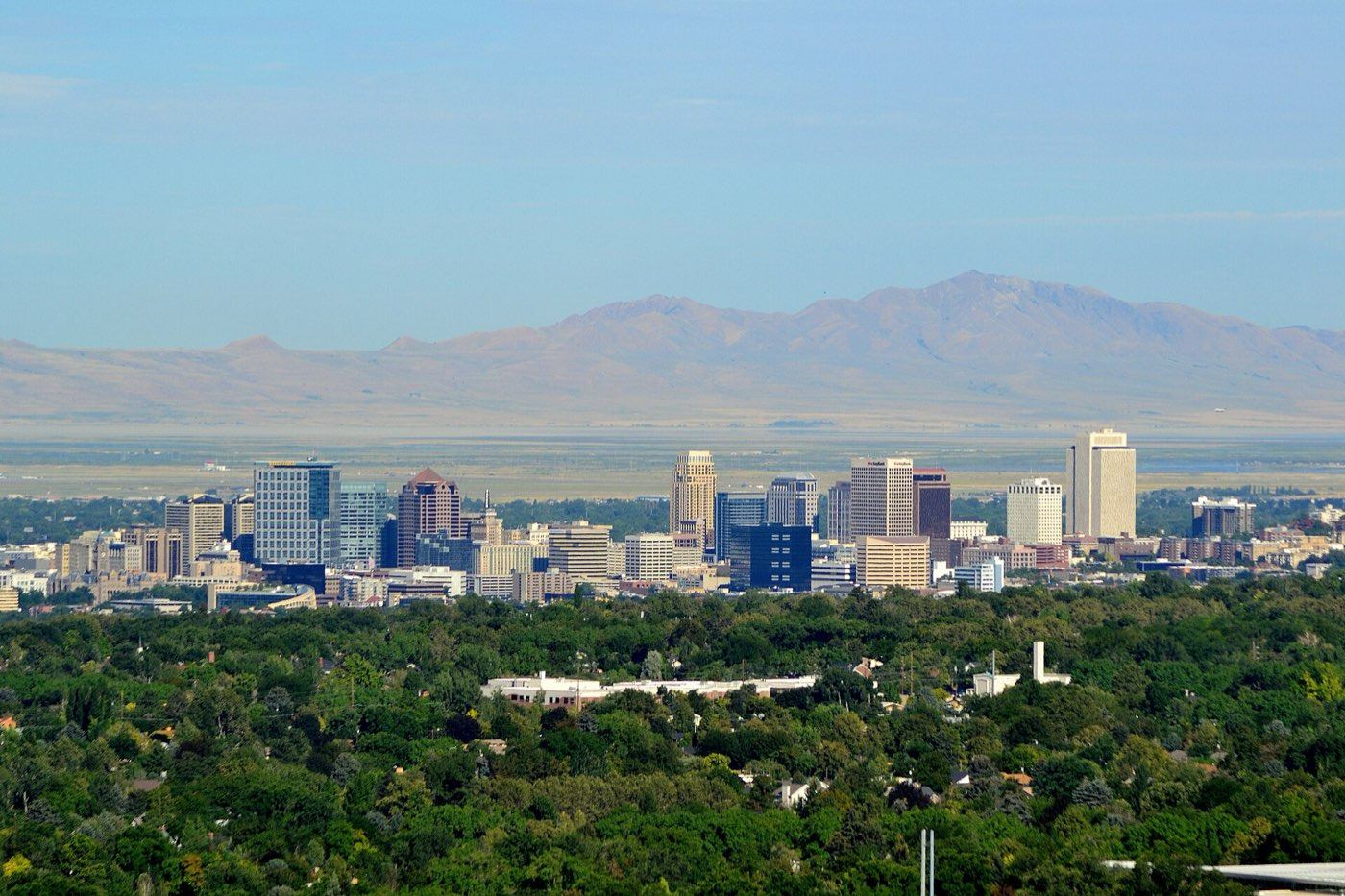
Utah buyers using a conventional loan face the same three questions everywhere — how much down, what it costs each month, when mortgage insurance ends — with answers that depend on the state’s $520,000 median and 0.55% effective property tax. This page works them out, then covers the Utah rules that touch the loan.
| Conforming limit (2026, one unit) | $832,750 baseline in 25 of 29 counties, 4 high-cost counties up to $1,150,000 (Summit County, Wasatch County) |
|---|---|
| Median home price (approx.) | $520,000 — statewide order of magnitude |
| 20% down on the median | $104,000 down, loan $416,000, about $2,629/month P&I at 6.5% |
| 5% down on the median | $26,000 down, loan $494,000, about $3,122/month P&I + about $309 PMI |
| PMI ends (5% down, scheduled payments) | request at 80% after about 10 years and 4 months, automatic at 78% after about 11 years and 3 months |
| Property tax (effective) | about 0.55% — roughly $2,860 a year on the median |
| Closing practice | Escrow closing state |
Loan limits: the Utah picture
In Utah, a one-unit conventional loan above $832,750 is jumbo in 2026. The median price of about $520,000 means the median buyer is well inside the limit even with 3% down (loan $504,400), so conforming rules apply to most purchases. Two-, three- and four-unit homes have higher limits. Every Utah county is in the table below; see conforming loan limits and jumbo loans.
County-level loan limits in Utah for 2026
Loan limits in Utah run from the $832,750 baseline (25 counties) to $1,150,000 in Summit County, Wasatch County; 4 counties are above baseline in 2026. Two-, three- and four-unit limits follow the same county pattern.
| County | 1 unit | 2 units | 3 units | 4 units |
|---|---|---|---|---|
| Beaver County | $832,750 | $1,066,250 | $1,288,800 | $1,601,750 |
| Box Elder County | $832,750 | $1,066,250 | $1,288,800 | $1,601,750 |
| Cache County | $832,750 | $1,066,250 | $1,288,800 | $1,601,750 |
| Carbon County | $832,750 | $1,066,250 | $1,288,800 | $1,601,750 |
| Daggett County | $832,750 | $1,066,250 | $1,288,800 | $1,601,750 |
| Davis County | $832,750 | $1,066,250 | $1,288,800 | $1,601,750 |
| Duchesne County | $832,750 | $1,066,250 | $1,288,800 | $1,601,750 |
| Emery County | $832,750 | $1,066,250 | $1,288,800 | $1,601,750 |
| Garfield County | $832,750 | $1,066,250 | $1,288,800 | $1,601,750 |
| Grand County | $839,500 | $1,074,700 | $1,299,100 | $1,614,450 |
| Iron County | $832,750 | $1,066,250 | $1,288,800 | $1,601,750 |
| Juab County | $832,750 | $1,066,250 | $1,288,800 | $1,601,750 |
| Kane County | $832,750 | $1,066,250 | $1,288,800 | $1,601,750 |
| Millard County | $832,750 | $1,066,250 | $1,288,800 | $1,601,750 |
| Morgan County | $832,750 | $1,066,250 | $1,288,800 | $1,601,750 |
| Piute County | $832,750 | $1,066,250 | $1,288,800 | $1,601,750 |
| Rich County | $832,750 | $1,066,250 | $1,288,800 | $1,601,750 |
| Salt Lake County | $832,750 | $1,066,250 | $1,288,800 | $1,601,750 |
| San Juan County | $832,750 | $1,066,250 | $1,288,800 | $1,601,750 |
| Sanpete County | $832,750 | $1,066,250 | $1,288,800 | $1,601,750 |
| Sevier County | $832,750 | $1,066,250 | $1,288,800 | $1,601,750 |
| Summit County | $1,150,000 | $1,472,250 | $1,779,600 | $2,211,600 |
| Tooele County | $832,750 | $1,066,250 | $1,288,800 | $1,601,750 |
| Uintah County | $832,750 | $1,066,250 | $1,288,800 | $1,601,750 |
| Utah County | $832,750 | $1,066,250 | $1,288,800 | $1,601,750 |
| Wasatch County | $1,150,000 | $1,472,250 | $1,779,600 | $2,211,600 |
| Washington County | $832,750 | $1,066,250 | $1,288,800 | $1,601,750 |
| Wayne County | $997,050 | $1,276,400 | $1,542,900 | $1,917,450 |
| Weber County | $832,750 | $1,066,250 | $1,288,800 | $1,601,750 |
Source: FHFA, Conforming Loan Limit Values for 2026 (county list, mortgages acquired in calendar year 2026). Limits are for Fannie Mae and Freddie Mac loans; FHA and VA use their own county figures.
What a conventional loan costs on the Utah median
Illustrative 6.5% 30-year fixed rate, principal and interest only; mortgage insurance at typical market rates for each down payment (it varies with credit score); property tax at the state’s approximate 0.55% effective rate. Homeowners insurance and any HOA come on top. None of it is an offer.
| Down payment | Cash down | Loan | P&I | PMI (est.) | Property tax | Monthly total |
|---|---|---|---|---|---|---|
| 3% | $15,600 | $504,400 | $3,188 | $378 | $238 | $3,804 |
| 5% | $26,000 | $494,000 | $3,122 | $309 | $238 | $3,669 |
| 10% | $52,000 | $468,000 | $2,958 | $195 | $238 | $3,391 |
| 20% | $104,000 | $416,000 | $2,629 | — | $238 | $2,867 |
Below 20% down, the 3% and 5% programs (HomeReady, Home Possible, Conventional 97) have income or first-time conditions; see 3% down conventional loans.
How long you pay PMI here
Federal rules, identical in Utah: you may request cancellation at 80% of the original value and the servicer must cancel at 78%. On the scheduled amortization alone, the 5% down loan above reaches 80% after about 10 years and 4 months and 78% after about 11 years and 3 months; the 10% down loan, 80% after about 7 years and 11 months; the 3% down loan, 80% after about 11 years and 1 months. At roughly $309 a month on the 5% scenario, that is about $38,316 of PMI over the period — the strongest argument for extra principal payments or a value-based cancellation request once prices rise.
Closing costs and taxes in Utah
Utah closings run through escrow at title companies, whose escrow agents are licensed by the Utah Insurance Department for title work and, when independent, by the Department of Financial Institutions under Utah Code Title 7, chapter 22; attorneys are not required. Deeds of trust name a trustee who must be a Utah attorney or a title insurance company (Utah Code § 57-1-21). Funding is generally wet, and escrow fees of a few hundred dollars are typically shared by the parties.
Utah collects no mortgage tax, no intangible tax and no real estate transfer tax; the only public charge when a deed of trust is recorded is the county recorder’s flat per-document fee, which has been a few tens of dollars since the state standardized it. That absence of transaction taxes is one reason Utah closing costs run below the national average. Utah has no real estate transfer tax and no mortgage tax; only recording fees apply.
Utah closings use title and escrow companies; buyer closing costs of about 2% to 3% of the price cover escrow, lender’s title policy, lender fees and prepaids, and sellers customarily pay for the owner’s policy.
Prepayment, spouses and homestead in Utah
Prepayment. Utah leaves prepayment terms largely to the contract: the Utah Consumer Credit Code lets borrowers prepay but does not impose a blanket ban on penalties for residential mortgages, so a conventional loan may include one within the federal qualified-mortgage limits. Fannie Mae and Freddie Mac do not buy loans with prepayment penalties, so a conforming loan will not carry one.
Spouses and title. Utah is a separate-property state, so title and the loan can sit in one spouse’s name alone; a non-borrowing spouse is usually asked to sign the deed of trust anyway when the home is the marital residence, to waive any homestead claim under Utah Code § 78B-5-503.
Homestead. Utah’s homestead exemption (Utah Code § 78B-5-503) protects a primary residence up to an amount per individual that was raised to $42,000 in 2020 and is adjusted every year for inflation, with the figure roughly doubled for spouses who own together; claiming it against a judgment creditor may require filing a declaration, so check the current amount and procedure.
The complete state layer — licensing, predatory-lending limits, disclosures, foreclosure — is on mortgage laws in Utah.
Frequently asked questions
What is the conforming loan limit in Utah for 2026?
Two tiers in Utah for 2026: the $832,750 baseline in 25 counties and higher high-cost limits in 4, up to $1,150,000 in Summit County, Wasatch County. On the state’s $520,000 median, a 20% down loan of $416,000 is well inside the baseline. Two- to four-unit homes have higher limits everywhere.
When can I cancel PMI on a conventional loan in Utah?
Federal law, not Utah law, sets the dates: request at 80% of original value, automatic at 78%, and in any case at the loan’s midpoint. On the median Utah price with 5% down at an illustrative 6.5%, that is roughly 10 years and 4 months and 11 years and 3 months respectively if you only make the scheduled payment.
Does Utah add anything to a conventional loan’s closing costs?
Utah collects no mortgage tax, no intangible tax and no real estate transfer tax; the only public charge when a deed of trust is recorded is the county recorder’s flat per-document fee, which has been a few tens of dollars since the state standardized it. Utah has no real estate transfer tax and no mortgage tax; only recording fees apply. Utah closings use title and escrow companies; buyer closing costs of about 2% to 3% of the price cover escrow, lender’s title policy, lender fees and prepaids, and sellers customarily pay for the owner’s policy.
Utah: where to verify
- Utah Housing Corporation: the state housing finance agency (first-time buyer loans, down payment assistance)
- Utah Division of Real Estate (mortgage licensing): where to check a state license or file a complaint
- NMLS Consumer Access: check any lender’s or loan officer’s license
- FHFA conforming loan limit files: the county limits shown on this page
Links checked September 22, 2026. Foreclosure type checked against Utah Code § 57-1-23 (trustee’s sale of trust property) and housing agency against its official site. Researched and edited by Clément Lacaille (Tech-Bharat); how we research.
Sources
Related: Mortgage rate locks: how long to lock, what extensions cost, when to float, Self-employed and buying: how conventional lenders calculate your income, Mortgage underwriting: what happens between pre-approval and clear to close, Mortgage recast: lowering the payment without refinancing. First home in Utah: programs and assistance. Hub: Conventional loan.