Financing a duplex, triplex or fourplex: down payment, rental income and the rules that change
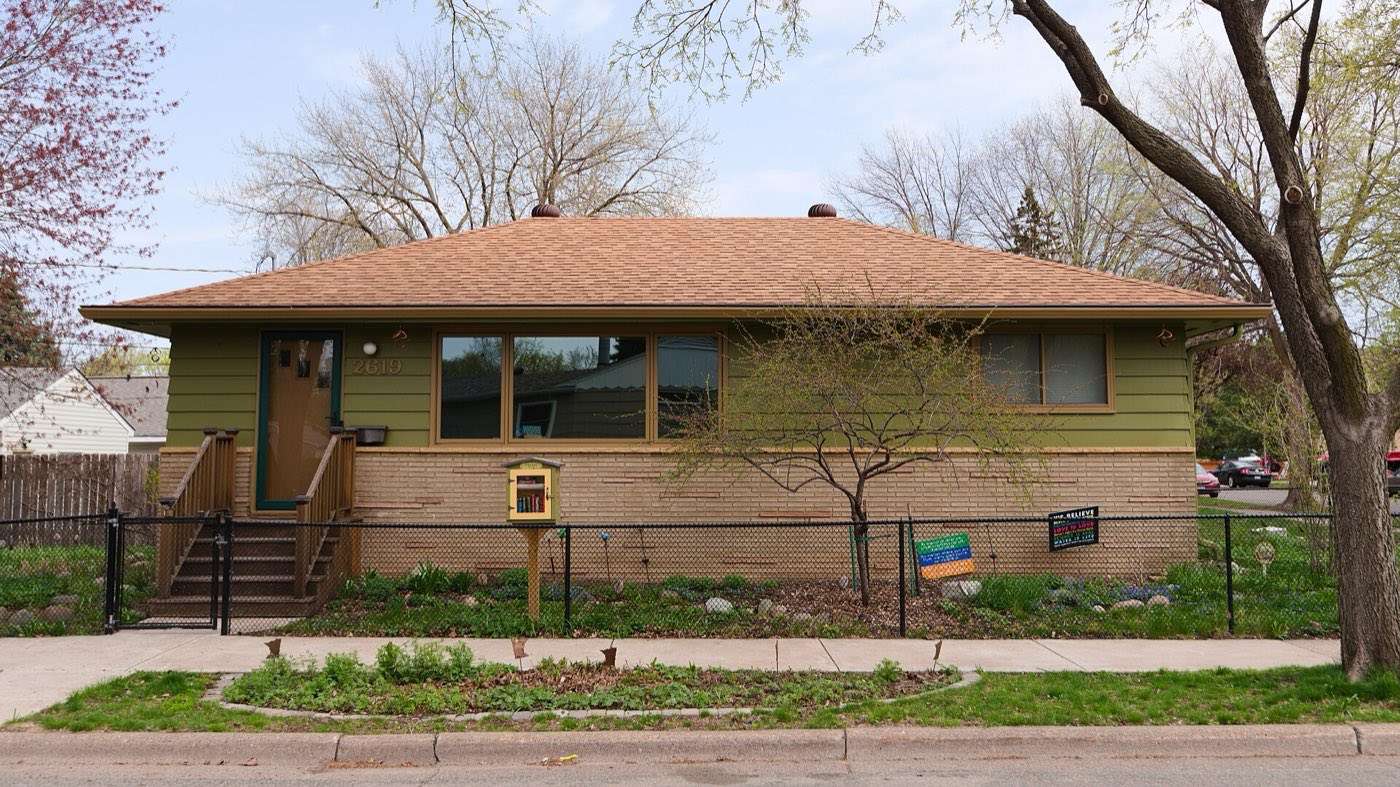
Living in one unit of a two- to four-unit building is the only arrangement in which a residential mortgage will finance a rental business. The loan is still a conventional loan — but almost every number in it changes once the unit count goes above one.
The down payment rule that moved
Until late 2023, a conventional loan on an owner-occupied duplex generally required 15% down, and 25% on a triplex or fourplex. Fannie Mae then raised the maximum loan-to-value on owner-occupied two- to four-unit purchases to 95%, which puts the floor at 5% down across all three unit counts. Freddie Mac’s Home Possible program also reaches 5% on two- to four-unit primary residences, within its area median income limits. This corner of the guidelines moves more than most, and lender overlays sit on top of agency rules, so confirm the current maximum in writing before you write an offer.
Occupancy is the condition attached to all of it. You move into one unit, normally within 60 days of closing, and keep it as your primary residence for at least a year. Buy the same building without living in it and the file is an investment file instead: roughly 15% down on two units and 25% on three or four, pricing adjustments on top of primary-residence rates, and reserves counted for every financed property you own.
| Scenario | Minimum down payment | Mortgage insurance |
|---|---|---|
| Conventional, owner-occupied 2–4 units | 5% | PMI until 80% LTV |
| Conventional, investment 2 units | ≈ 15% | None (PMI is not offered) |
| Conventional, investment 3–4 units | ≈ 25% | None |
| FHA, owner-occupied 2–4 units | 3.5% | Upfront + annual MIP |
| VA, eligible borrower, 2–4 units | 0% | None (funding fee instead) |
Loan limits are far higher than buyers expect
The conforming limit rises with the unit count, which is why a building that looks expensive can still be a conforming loan rather than a jumbo. The 2026 baseline values published by FHFA:
| Units | 2026 baseline conforming limit | High-cost county ceiling (150%) |
|---|---|---|
| 1 | $832,750 | $1,249,125 |
| 2 | $1,066,250 | $1,599,375 |
| 3 | $1,288,800 | $1,933,200 |
| 4 | $1,601,750 | $2,402,625 |
Counties designated high-cost carry their own figure between the baseline and the ceiling; FHFA’s county table is the only authority on which one applies to your address. Our conforming loan limits guide covers how the annual adjustment is set.
How much of the rent actually counts
Rental income from the units you do not occupy may be used to qualify, but not at face value. The appraiser produces a small residential income property report with a comparable rent schedule, and underwriting generally credits 75% of the market or lease rent — the missing quarter is the vacancy and maintenance allowance. On a fourplex with three rented units at $1,400 each, that is $4,200 of gross rent and about $3,150 of qualifying income, which is then netted against the full housing payment in your debt-to-income calculation.
Two documentation notes decide whether it counts at all. Existing leases are the strongest evidence; on a vacant building the appraiser’s market rent estimate carries the file. And a borrower with no landlord history is not disqualified, but some lenders limit how much of the projected rent they will use in that case. The wider ratio rules are in our guide to DTI limits.
The FHA self-sufficiency test
FHA adds a hurdle that conventional loans do not. On a three or four unit property, net self-sufficiency rental income — 75% of the appraiser’s market rent for all units, including the one you will live in — must at least equal the full monthly principal, interest, taxes and insurance. If the building does not clear that bar, it is not eligible for FHA financing at any down payment, which is a common reason a triplex deal quietly switches to conventional. FHA also expects three months of PITI in reserves on three- and four-unit purchases.
What else underwriting adds
- Reserves. Multi-unit files commonly need two to six months of full housing payments left after closing, more if you already finance other property.
- PMI at 5% down. Mortgage insurance on a two- to four-unit primary residence is priced above the one-unit equivalent, and it comes off on the same Homeowners Protection Act schedule described in our PMI removal guide.
- A slower, harder appraisal. Income-property comparables are thin in many neighborhoods, and a report that leans on distant sales invites underwriting conditions. Build extra days into the contract.
- Landlord insurance, not a homeowner’s policy. An owner-occupied multi-unit building usually needs a dwelling-fire or landlord form with liability, and the premium is higher than the single-family quote you may have budgeted.
The costs first-time landlords underestimate
The mortgage is the predictable part. Vacancy between tenants, turnover costs, a shared roof and a shared furnace, water bills that are rarely submetered, and the legal timeline for a non-paying tenant — which is set by state and often city law, not by your lease — are what turn a spreadsheet into a real return. Landlord-tenant procedure and recording costs vary widely; the state pages under mortgage laws by state set out the closing and lien framework you will be operating in. Budget capital reserves separately from your lender-required reserves, because the lender’s figure is about closing the loan, not about replacing a boiler in February.
When you move out
After the occupancy year, the building can become a pure rental without refinancing — the loan keeps its owner-occupied terms because those were the terms at origination and the occupancy statement was true when you signed it. Moving out on day 40 with a lease already signed for your unit is a different matter, and it is mortgage fraud. Investors who later want to buy more property with the rent rather than their paycheck usually shift to the products compared in our guide to DSCR versus conventional investment loans, and the investor page maps the rest of the path.
Frequently asked questions
Can a first-time buyer buy a duplex?
Yes. There is no rule reserving multi-unit property for experienced investors, and HomeReady and Home Possible both allow two- to four-unit primary residences within their income limits. What changes is the reserve requirement and the appraisal, not your eligibility.
Does the rent I collect count as income for qualifying?
Typically 75% of documented lease or appraised market rent from the units you do not occupy, netted against the housing payment. Your own unit never produces qualifying income on a conventional loan — though on an FHA three- or four-unit file it is included in the self-sufficiency test.
Is a fourplex a commercial loan?
No. One to four units is residential for financing purposes; five units and up moves to commercial underwriting, different terms and usually a balloon. That line is why the fourplex is the ceiling of this strategy.
Can I use gift funds for the down payment?
On a two- to four-unit primary residence with less than 20% down, conventional rules generally require a minimum contribution from your own funds before gift money is applied — unlike a one-unit home, where a gift may cover the whole down payment. See our guide to gift funds and confirm the current threshold with the lender.
Sources
Related: Conventional loan requirements in 2026: what Fannie Mae’s guide actually says, DSCR loans vs conventional for investment property: qualify on rent or on income, 3% down conventional loans: HomeReady, Home Possible and Conventional 97, 2026 conforming loan limits: $832,750 in most counties, up to $1,249,125 in high-cost areas. Hub: Conventional loan.