Taxes after a foreclosure, short sale or forgiven mortgage debt: 1099-A, 1099-C and the exclusions
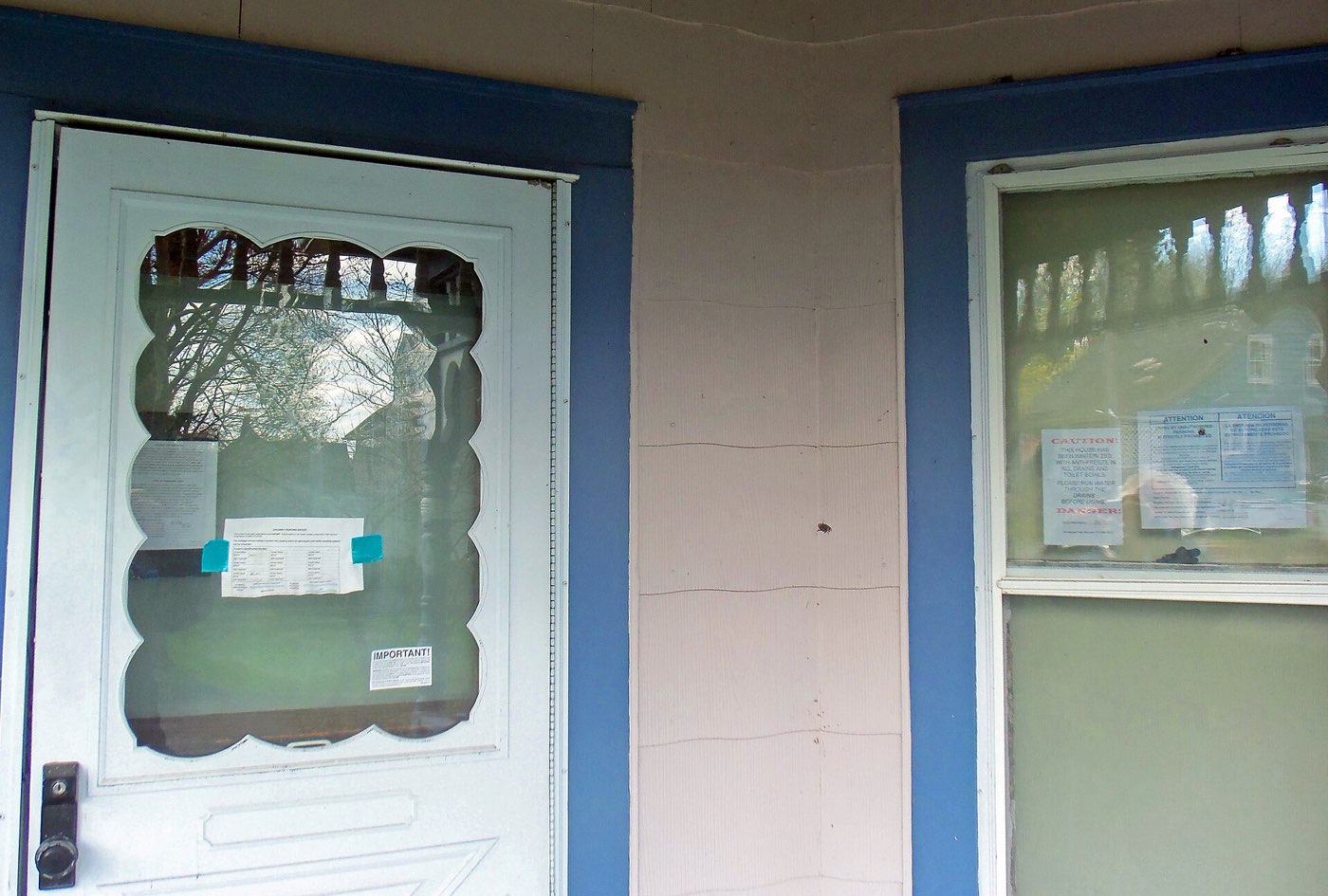
The hardest part of a foreclosure or a short sale often arrives the following January, in an envelope. A Form 1099 shows up with a number on it that looks like income you never received, and it is not obvious whether you owe tax on it. Sometimes you do. Frequently you do not — but only if you file the right form and say so.
Two forms, two different events
Losing a home to a lender is treated as two things at once, and keeping them separate is the whole trick.
- Form 1099-A, Acquisition or Abandonment of Secured Property, reports the disposition — the lender took the house, or you abandoned it. Box 2 shows the outstanding principal, box 4 the fair market value, and box 5 is checked if you were personally liable for the debt. That checkbox drives everything below.
- Form 1099-C, Cancellation of Debt, reports that a lender forgave $600 or more. Box 2 is the amount canceled and box 6 carries a code for the identifiable event that triggered it.
You may receive one, both, or a single 1099-C covering everything. Two 1099s do not mean two taxable amounts; they describe one transaction from two angles.
Recourse vs nonrecourse: the fork in the road
Whether you were personally liable for the debt after the property was gone decides how the arithmetic runs. That depends on the loan documents and on state law — several states make purchase-money loans on a primary residence nonrecourse, and others restrict deficiencies after a non-judicial sale. Our guide to deficiency judgments and your state’s mortgage laws page are the place to check before you assume.
| Recourse debt (you were personally liable) | Nonrecourse debt | |
|---|---|---|
| Amount realized on the disposition | Fair market value of the property | The entire outstanding debt |
| Gain or loss | FMV minus your adjusted basis | Full debt minus your adjusted basis |
| Canceled debt income | Debt minus FMV, if the lender forgives it | None |
| Typical forms | 1099-A and/or 1099-C | 1099-A |
A worked example, with illustrative numbers
Say a home was bought for $280,000 (the adjusted basis), the balance at foreclosure was $300,000, and the property was worth $250,000 when the lender took it.
- If the loan was recourse: the amount realized is the $250,000 value, producing a $30,000 loss on the disposition — and a loss on a personal residence is not deductible. The $50,000 shortfall becomes canceled debt income only when and if the lender actually forgives it.
- If the loan was nonrecourse: the amount realized is the full $300,000, producing a $20,000 gain — which the principal-residence gain exclusion of up to $250,000 ($500,000 for many married couples filing jointly) will often cover if you lived there and owned it long enough. There is no canceled debt income at all.
The same structure applies to a short sale: the sale price replaces the fair market value, and the forgiven shortfall — if the lender waives it in writing — is the potential canceled debt income. A deed in lieu works the same way. Note the mirror image of that sentence: if the lender did not release you and still holds a deficiency, the debt was not canceled, so there is no 1099-C yet.
The exclusions: a 1099-C is not a tax bill
Canceled debt is includible in income by default, but several exclusions can remove some or all of it. You claim them on Form 982, filed with your return; skipping the form is how people end up paying tax they did not owe.
- Bankruptcy. Debt discharged in a Title 11 case is excluded. This is one of the quieter advantages of the route described in bankruptcy and foreclosure.
- Insolvency. Excluded to the extent your total liabilities exceeded the fair market value of all your assets immediately before the cancellation. This is the workhorse exclusion for people who lose a home, and the definition of assets is broad — retirement accounts count. The relief is capped at the amount by which you were insolvent, so partial exclusion is common.
- Qualified principal residence indebtedness (QPRI). The exclusion for debt used to buy, build or substantially improve a main home, up to $750,000 ($375,000 if married filing separately). Under current law it covers discharges completed, or discharge agreements entered into in writing, on or before December 31, 2025. Congress has revived it retroactively more than once, so its availability for a 2026 discharge is genuinely unsettled — check the current year’s Publication 4681 before assuming either way.
That last change is the practical headline for anyone working out an exit right now: on a 2026 discharge, the insolvency and bankruptcy exclusions may be doing the work that QPRI used to do. Excluding debt under Form 982 also generally requires reducing tax attributes — carryovers, credits, or the basis in property you still own — which is bookkeeping rather than cash, but it is not free.
What to actually do with the envelope
- Check the numbers against your own records. Lenders report a fair market value that is sometimes an old appraisal or a broker price opinion. If box 4 or box 2 is wrong, ask the lender in writing for a corrected form — the reported value directly changes what you owe.
- Reconstruct the adjusted basis. Purchase price, plus capital improvements, minus any depreciation claimed if the home was ever a rental. Old closing statements and receipts matter here.
- Test insolvency as of the day before the cancellation. List every liability and the fair market value of every asset. The gap is the ceiling on that exclusion.
- Do not ignore a 1099-C. The IRS receives a copy. If an exclusion applies you still report the transaction and attach Form 982 to say why nothing is taxable.
- Check your state. State income tax rules do not always track the federal treatment of canceled debt.
Claude Loan is an information site — not a lender, a servicer, a law firm or a tax adviser. A foreclosure or short sale return is exactly the situation to bring to a CPA or an enrolled agent; the IRS also funds free tax preparation programs and low-income taxpayer clinics for those who qualify. If the home has not been lost yet, the options are still open: see underwater mortgage options and the timeline on your state’s foreclosure page.
Frequently asked questions
I got a 1099-C but I was broke. Do I owe tax?
Possibly not. If your liabilities exceeded the fair market value of your assets immediately before the cancellation, the insolvency exclusion removes the canceled debt from income up to the amount of that insolvency. It is not automatic — it has to be claimed on Form 982 with a supporting worksheet.
Is a short sale taxed better than a foreclosure?
Not inherently. The tax mechanics are close to identical; what differs is the size of the forgiven amount and whether the lender releases you in writing. The real advantages of a short sale are on the credit and waiting-period side — see buying again after a foreclosure or short sale.
What if the property was a rental, not my home?
Different rules and generally harsher ones: the personal-residence gain exclusion does not apply, QPRI never applied, depreciation you claimed lowers your basis and increases gain, and a loss may be deductible where it would not be on a home you lived in. Investment property canceled debt has its own exclusions. Take it to a professional.
The lender never sent a 1099-C. Am I in the clear?
Reporting is the lender’s obligation, but the taxability of canceled debt does not depend on the form arriving. If a debt was genuinely forgiven in a given year, it belongs on the return for that year — with any exclusion you qualify for.
Does a deficiency judgment mean I owe tax too?
No — the opposite, for now. A judgment means the debt still exists and has not been canceled, so there is nothing to report. Canceled debt income can arrive later if the creditor eventually writes it off or settles it for less.
Sources
Related: Short sale vs deed in lieu of foreclosure: leaving the home on your terms, Deficiency judgment after foreclosure: when you can still owe money, Underwater on your mortgage: what to do when you owe more than the home is worth, Inheriting a house with a mortgage: successor in interest rights, and how heirs lose homes. Hub: Mortgage problems.