Buying again after foreclosure, short sale or bankruptcy: the waiting periods
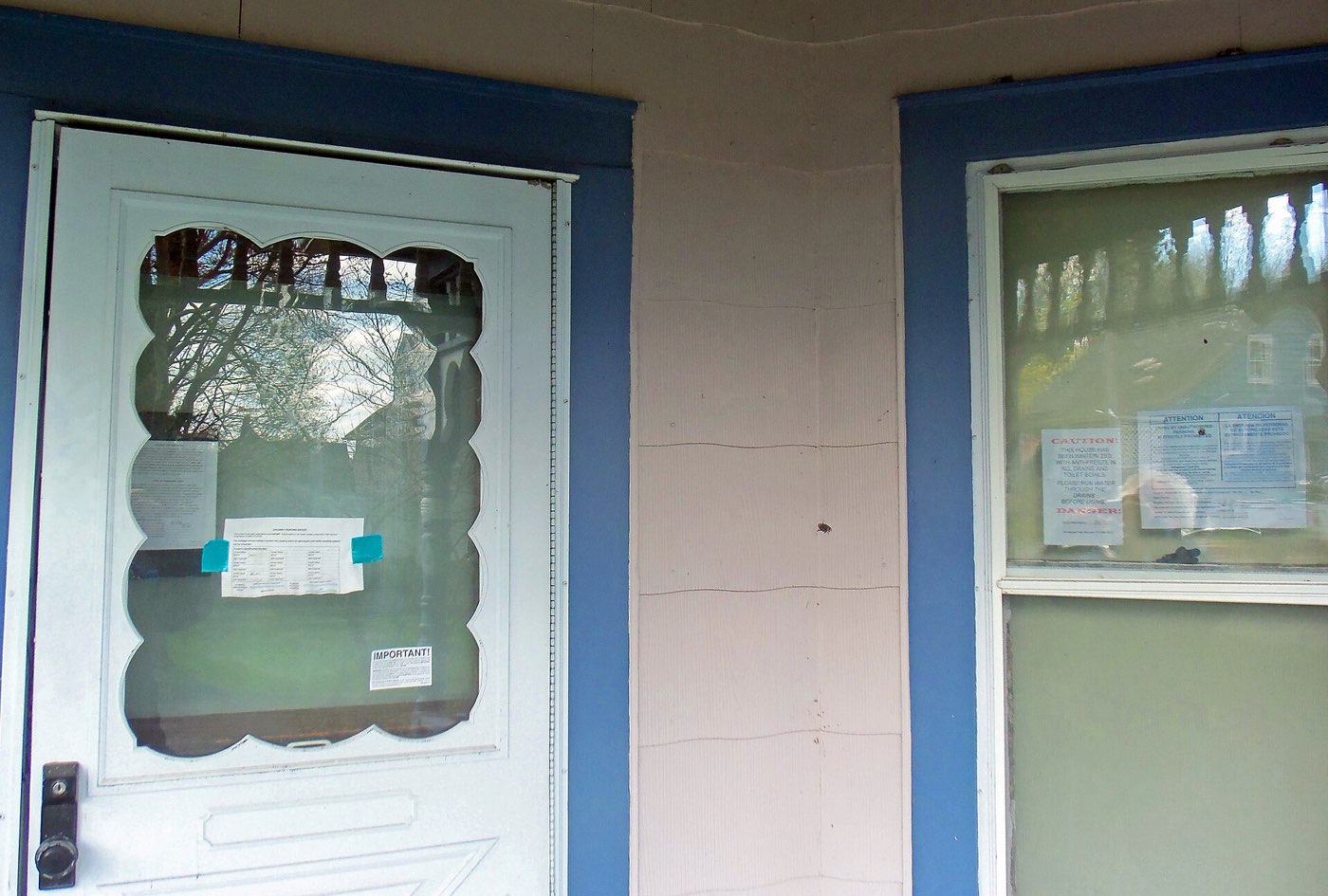
Losing a home is not a permanent bar to owning one. Every major loan program publishes a seasoning period — a number of years between the event and the day a new mortgage funds — and each has a documented exception for hardship that was genuinely outside your control.
The waiting periods, program by program
These are the standard periods in the agency guides as of 2026. Agency guides are revised several times a year and individual lenders add stricter “overlays” of their own, so read the table as a map rather than a promise, and confirm the current rule with a licensed lender before you plan around a date.
| Event | Conventional (Fannie/Freddie) | FHA | VA | USDA |
|---|---|---|---|---|
| Foreclosure completed | 7 years (3 with documented extenuating circumstances) | 3 years from the date title transferred | Generally 2 years | 3 years |
| Deed in lieu or short sale | 4 years (2 with extenuating circumstances) | 3 years; a shorter path may exist if the loan was current at the time | Generally 2 years | 3 years |
| Chapter 7 bankruptcy | 4 years from discharge or dismissal (2 with extenuating circumstances) | 2 years from discharge | 2 years from discharge | 3 years from discharge |
| Chapter 13 bankruptcy | 2 years from discharge, 4 years from dismissal | 1 year of on-time plan payments plus court approval | 12 months of plan payments plus trustee approval | 12 months of plan payments |
When the clock starts — and when it stops
The clock does not start when you missed the first payment, or when the notice of default arrived. For a foreclosure it starts on the completion date: the day title left your name, when the trustee’s deed or the sheriff’s deed was recorded. That distinction matters enormously, because the process itself takes months in a non-judicial state and can take years in a judicial one — the range for your state is on its foreclosure page. Two households who stopped paying the same month can be four years apart on the calendar that counts.
The clock stops at disbursement of the new loan, not at application, not at pre-approval. If a conventional seven-year period ends in March, an application filed in January is fine only if closing lands after the anniversary. Ask the lender to write the eligibility date on your file so nobody schedules a closing a week early.
Extenuating circumstances: what actually counts
Conventional underwriting recognizes a one-time event beyond your control that caused a sudden, significant and prolonged drop in income or a catastrophic rise in obligations — a layoff, a serious illness, the death of a wage earner. You document it: a termination letter, medical bills, a death certificate, tax transcripts showing the income drop, plus a written explanation of what happened and why it cannot happen again. Granted, the foreclosure period falls to three years and the short sale, deed in lieu and Chapter 7 periods to two.
What does not count: choosing to stop paying on a home worth less than the loan, overspending, or a divorce on its own in most files. FHA rules likewise let a lender consider an exception for circumstances beyond your control, but the exception is underwritten case by case — it is never automatic, and no one can promise you one.
What the calendar does not fix
Reaching the anniversary makes you eligible. Approval is a separate question, and it turns on things you can work on in the meantime:
- Credit. The foreclosure itself reports for seven years from the first delinquency that led to it. Scores recover well before that if nothing new goes wrong — see the minimum scores by loan type and our page for buyers with damaged credit.
- CAIVRS. If the loan you lost was FHA-insured and HUD paid a claim, your Social Security number may sit in the federal delinquent-debtor database for about three years, blocking FHA, VA and USDA financing regardless of the program period. A lender can check it early; disputes go through HUD.
- VA entitlement. A foreclosed VA loan consumes part of your entitlement until the government is repaid. You may still buy with the remaining entitlement, often with a down payment. Ask the VA for a Certificate of Eligibility rather than guessing.
- Down payment and reserves. After a derogatory event, lenders lean harder on cash. Two to six months of reserves changes the conversation more than a few score points.
Rebuilding on purpose
- Pull all three reports and dispute genuine inaccuracies — the foreclosure’s dates and balance are frequently reported wrong. Your rights are under the Fair Credit Reporting Act.
- Re-establish two or three small accounts (a secured card, a credit-builder loan) and keep utilization under about 10%.
- Pay everything on time for 24 straight months. Payment history is the single largest factor and the only one that cannot be bought.
- Document rent paid on time; several programs now allow positive rental history in underwriting.
The good news nobody mentions
The federal definition of a first-time home buyer is no ownership interest in a principal residence during the previous three years. Three years after losing a home, most state housing finance agency programs count you as a first-time buyer again — which can mean down payment assistance, a below-market rate, or a mortgage credit certificate. The programs available where you live are listed on your state page from the first-time buyer hub.
What about non-agency loans?
Portfolio and non-QM lenders do write loans one day out of a foreclosure or bankruptcy. They are legitimate, and they are expensive: expect a substantially larger down payment and a rate well above conforming, with the exact terms depending on the file. Before taking one, run the arithmetic against waiting — compare the payments on a payment table at the two rates and see what the wait is worth over the years you would hold the loan. Whichever route you take, get a written pre-approval, not a verbal opinion.
Frequently asked questions
Does the waiting period start when I stopped paying?
No. It starts when the foreclosure completed and title transferred, or on the discharge or dismissal date of a bankruptcy, or on the closing date of a short sale or deed in lieu. Ask the county recorder or your former servicer for the exact date in writing.
Do I have to wait after a loan modification?
A modification is not on the agency waiting-period lists the way a foreclosure is. What underwriting looks at is your payment history since the modification and whether any delinquency preceded it. Some programs also want the modified loan to have seasoned before a refinance.
Can a short sale really be better than a foreclosure?
On the conventional calendar, yes: four years rather than seven, and two rather than three with documented extenuating circumstances. That is one reason to weigh a negotiated exit early, along with the separate question of whether you might still owe a deficiency.
Who can tell me my real eligibility date for free?
A HUD-approved housing counselor can review your documents at no cost and help you build the rebuilding plan — see how to find one. Claude Loan is an information site: we are not a lender, a broker or a counseling agency, and no article can approve you.
Your state: conventional loans and mortgage law
The federal rules above apply everywhere; the rest depends on where the home is. For each state, one page gives the 2026 conforming limit of every county and the monthly cost of a conventional loan on the state median; the other gives the state layer: who closes the loan, recording taxes, prepayment, licensing, first-time buyer programs, hard money rules and foreclosure.
Sources
Related: Credit score needed to buy a house: minimums by loan type, and what it costs to be average, Short sale vs deed in lieu of foreclosure: leaving the home on your terms, Deficiency judgment after foreclosure: when you can still owe money, FHA vs conventional for a first-time buyer: which loan wins, and when. Hub: Mortgage problems.