Buying new construction: builder incentives, preferred lenders and the punch list
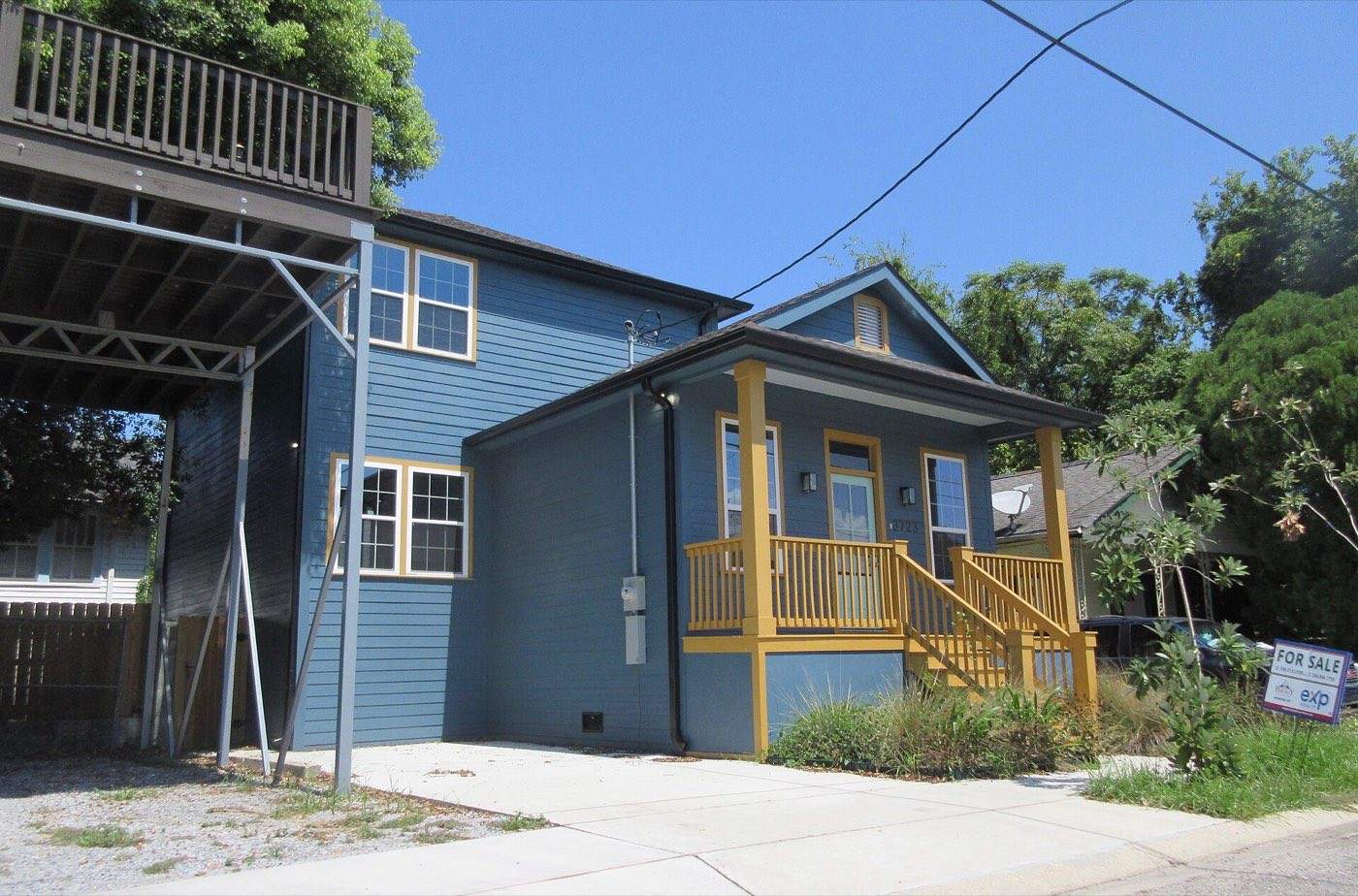
A new house has no previous owner’s deferred maintenance and no thirty-year-old furnace. It also comes with a contract the builder wrote, a lender the builder would very much like you to use, and a closing date that belongs to a construction schedule rather than to you.
Three different purchases, three different problems
“New construction” covers transactions that behave nothing alike, and the financing follows the category.
- Inventory or spec home — finished or nearly finished, sitting in a completed phase. It closes like a resale, on a 30-to-45-day clock, and the incentive is usually largest here because the builder is carrying the cost of an unsold house.
- To-be-built on the builder’s lot — you sign, the builder finances construction, and you close on a finished home four to twelve months later. The purchase itself is a normal mortgage; the risk is entirely in the interval.
- Custom build on land you own — a construction loan, drawn in stages against inspections, converting to permanent financing at completion. A different product with different underwriting, closer in mechanics to the ground-up lending covered under hard money.
The first two are what most first-time buyers actually encounter, and they are the ones a builder’s sales office is set up to sell.
The incentive is usually real, and usually conditional
Builders compete on payment rather than on sticker price, because cutting the list price marks down every remaining home in the community while a rate buydown does not. What is on offer tends to fall into four families.
| Incentive | How it usually works | What to check |
|---|---|---|
| Permanent rate buydown | Builder pays discount points to cut the note rate for the life of the loan | The rate after points, compared to an outside lender’s rate with the same cash applied |
| Temporary buydown (2-1, 1-0) | Builder funds an escrow that lowers the payment for the first year or two | You qualify at the full note rate — confirm you can carry the payment in year three |
| Closing cost credit | A fixed dollar amount toward your settlement charges | Program concession limits, which cap what a seller may pay |
| Design center allowance | Credit toward upgrades, applied at the design studio | Whether upgrades are financeable, and whether the appraisal supports them |
Almost all of it is tied to the builder’s affiliated or preferred lender. RESPA requires a written affiliated business arrangement disclosure when a builder refers you to a settlement provider it shares ownership with, telling you the relationship exists and what the charges are expected to be. Read it, keep it, and shop anyway: comparing one Loan Estimate against another is the only way to know whether a $10,000 credit is a discount or a rebate of a higher rate.
The arithmetic is not complicated. Take the builder’s package — rate, points, credit — and get a competing Loan Estimate on the same loan amount and lock period. If the outside lender is cheaper by less than the credit you would forfeit, the builder’s lender wins; if it is cheaper by more, you have a number to bring back to the sales office. Note also that builder-paid points and credits count as seller contributions on a conventional loan and run into the concession limits, so an oversized incentive can simply be unusable.
The interval problem: rates, locks and re-verification
On a to-be-built home you are quoting a rate today for a loan that funds next spring. Standard locks run 30 to 60 days; extended locks of 180 to 360 days exist for new construction and are priced in points or in a rate premium, sometimes with a one-time float-down if rates fall. The trade-offs are the same ones in our rate lock guide, only larger, because the exposure is longer.
Whatever you lock, the file is re-underwritten near the end. Lenders re-pull credit, re-verify employment and re-check assets shortly before closing, so the rules that apply during a normal escrow apply for months here: no new car loan, no furniture financed at the design center, no job change you have not discussed. A buyer who qualified comfortably in March can fail in October without anything unusual happening.
The date itself is soft. Builder contracts typically name a target window rather than a firm day, tie completion to a certificate of occupancy, and reserve delay rights the buyer does not have. Ask what happens if the home is late — whether your deposit becomes refundable, and at what point.
Deposits, contracts and what you are actually signing
Earnest money on a builder contract is larger than on a resale, often several percent of the price, and design-center upgrades are frequently non-refundable the moment they are ordered. The contingencies are narrower too: many builder forms limit or remove the inspection remedy, restrict the appraisal contingency, and specify arbitration. None of that makes the contract unreasonable, but it does mean the standard state form your agent is used to is not the document in front of you. Have someone review it who is paid by you.
Bring your own agent, and bring them to the first visit. The on-site sales consultant is the builder’s employee, and many builders will not pay buyer representation to an agent introduced after registration.
Inspect a new house too
Municipal inspectors verify code compliance on behalf of the jurisdiction; they do not work for you and they do not grade workmanship. Three independent looks are standard practice: pre-drywall, while framing, wiring, plumbing and flashing are still visible; final, alongside the punch list walkthrough; and at eleven months, before the typical one-year workmanship coverage expires. Builder warranties commonly follow a 1-2-10 pattern — roughly one year on workmanship, two on systems, ten on major structural elements — but the terms are contractual and vary by builder, so read the actual warranty booklet. Our guide to the home inspection covers how to read the report you get back.
The costs new buyers forget
- Everything outside the walls. Fencing, landscaping beyond the builder’s minimum, window coverings, gutters and appliances are often excluded. Budget for them as move-in costs, not as improvements.
- The year-two tax shock. The first tax bill may be assessed on land only, or on a partially built home. When the completed assessment lands, escrow runs short and the payment jumps — the mechanism is explained in our escrow guide, and it is the single most common surprise in a new community.
- Special districts. Metro districts, CDDs, MUDs and similar financing vehicles add an annual charge on top of ordinary property tax in many new subdivisions. Ask for the number in writing.
- HOA that has not stabilized. Dues in a builder-controlled association are often set low and rise when the builder turns the association over to residents.
- Later-phase pricing. Your appraisal competes with the builder’s own sales, including incentives, which is why an appraisal can come in at contract price and still leave you thin on equity if the community is still selling.
State programs for first-time buyers generally apply to new construction on the same terms as resale, including down payment assistance, and some add energy-efficiency benefits — worth checking your state’s first-time buyer page before you accept the builder’s financing package as the only option.
Frequently asked questions
Can I use my own lender on a new build?
Almost always yes. Builders may condition an incentive on using the affiliated lender, and RESPA’s affiliated business arrangement rules govern how that referral is disclosed, but the choice of lender remains yours. Compare Loan Estimates side by side and decide with the total cost, not the headline credit.
Is a temporary buydown a good deal?
It depends on whether you can afford the payment when it ends. A 2-1 buydown lowers the payment for two years and then reverts to the note rate; underwriting qualifies you at that full rate for exactly that reason. If the plan is to refinance before it expires, treat that as a hope rather than a plan, because no one can promise a future rate.
What if the home is not finished on time?
The builder contract controls, and most give the builder substantial latitude. Ask before signing which delays extend the closing date, which entitle you to cancel, and whether your rate lock extension is at your cost or the builder’s — extensions on a long lock are not trivial.
Does the builder warranty cover everything for ten years?
No. The long tail of a 1-2-10 style warranty is normally limited to defined major structural defects, not to appliances, finishes or ordinary wear. Homeowners insurance remains separate and required by the lender in every case.
Do new homes appraise for what I paid?
Usually, because the builder’s own recent sales in the community are the comparables. Risk rises when you buy in an early phase, when incentives are heavy — they are disclosed to the appraiser and can be treated as price adjustments — or when upgrades add cost that the market does not fully return.
Sources
Related: Mortgage rate locks: how long to lock, what extensions cost, when to float, Seller concessions limits: how much a seller can pay toward your closing costs, Mortgage escrow accounts: what your servicer collects, and why the payment moves, Home inspection: what it covers, what it costs, and how to negotiate repairs. Hub: First-time buyer.