Homeowners insurance when you buy: what the lender requires, what it costs
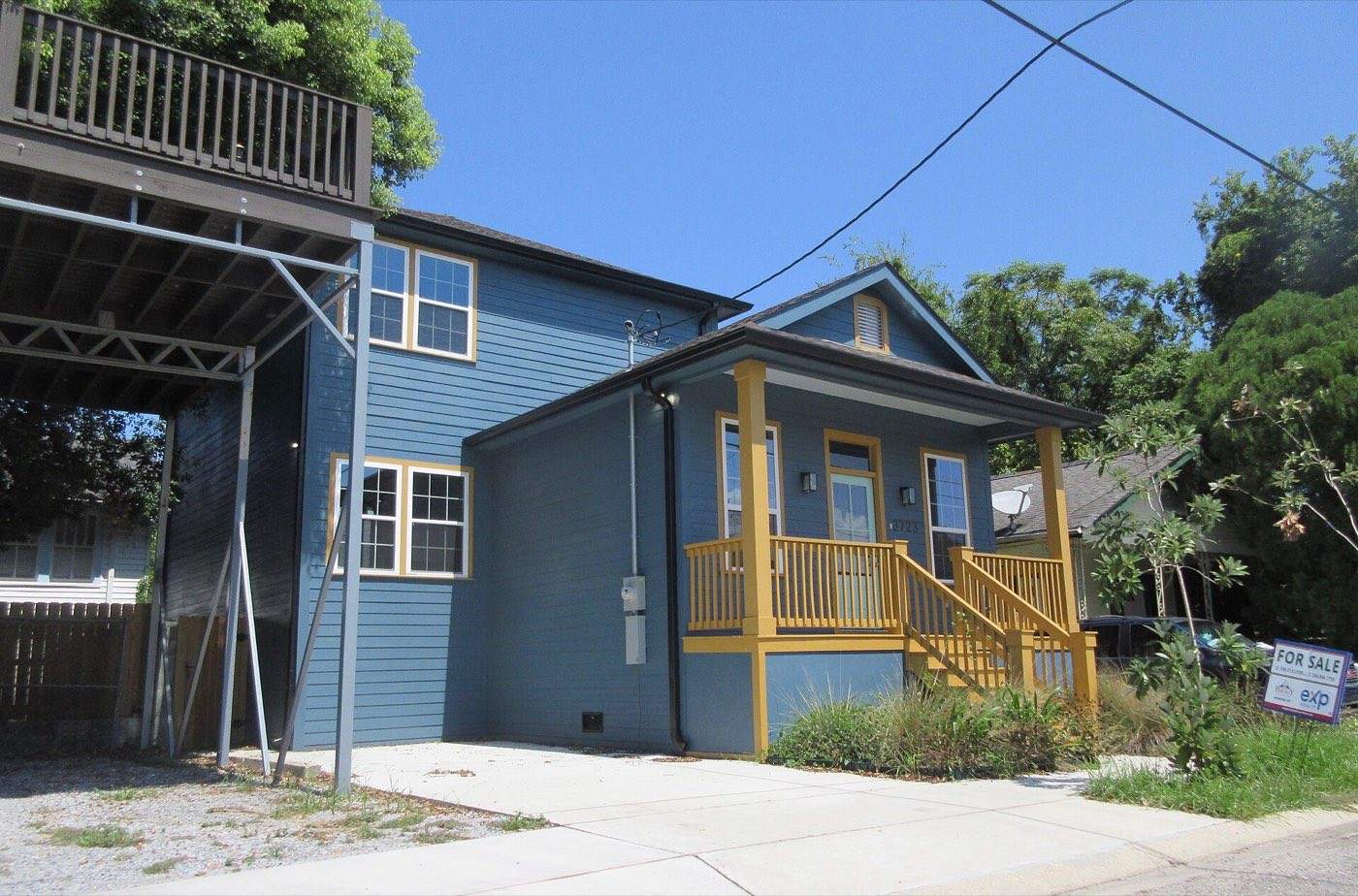
No lender funds a loan on an uninsured house. The policy is a condition of closing, the first year is normally paid in full at the table, and in a growing number of counties the hardest part of a purchase is no longer the mortgage — it is finding a carrier willing to write the house at all.
What the lender actually requires
Investor guidelines decide what the coverage has to look like. For the conventional loans Fannie Mae buys — the bulk of the market — the Selling Guide is specific:
- Replacement cost coverage on the dwelling. Actual cash value, which subtracts depreciation, is acceptable for personal property and for detached structures that are not the house; it is not acceptable for the house itself.
- A deductible no higher than 5% of the coverage amount — and where a separate deductible applies to a peril such as windstorm, that one has to respect the same ceiling.
- A named list of perils: fire and lightning, explosion, windstorm — including storms given a name or number by the National Weather Service or NOAA — hail, smoke, aircraft, vehicles, riot and civil commotion. Where a policy excludes one of them, supplemental coverage is required.
- The lender listed as mortgagee, with evidence of the policy in the file before closing and the premium usually prepaid for twelve months.
The CFPB states the consumer version plainly: a borrower is generally required to carry hazard coverage at least to the extent of the outstanding loan balance. FHA, VA and USDA lenders apply their own versions, and individual lenders add overlays on top.
Dwelling coverage is not the purchase price
You insure the structure, not the land under it, and construction costs rather than market value. Two houses that both sell for $500,000 can need very different coverage: a small bungalow on an expensive lot may rebuild for $300,000, while a large house on a cheap lot may cost more to replace than it sold for. Where land carries most of the value, do not let anyone quote you dwelling coverage equal to the price you paid.
Around Coverage A (the dwelling) sit the other lines: other structures, usually a percentage of the dwelling figure; personal property; loss of use, which pays for somewhere to live during repairs; and personal liability, which has nothing to do with the building and everything to do with being sued.
HO-3, HO-5 and the endorsements that matter
The standard form, HO-3, insures the structure against everything not excluded and your belongings against a listed set of causes; the broader HO-5 extends open-peril treatment to belongings and settles more claims on replacement cost. Condominium owners buy an HO-6 instead, covering what the association’s master policy does not — see the HOA and condo guide. Four endorsements do most of the work in a real claim:
- Extended or guaranteed replacement cost, which pays a percentage above the stated dwelling limit when a regional disaster drives up labor and materials.
- Ordinance or law, which pays the extra cost of rebuilding to current code. On any house built before the current code cycle, this is the gap that surprises people.
- Water backup, for sewer and sump-pump failures, which the base policy excludes.
- Roof settlement terms. Many carriers now pay actual cash value on roofs past a certain age, or apply a separate roof deductible. Read that schedule before you read the price.
Deductibles: the flat one and the percentage ones
A flat all-perils deductible is a dollar figure. A percentage deductible is a share of the dwelling coverage, and it is applied to wind, hail, hurricane or named-storm losses in the states where those losses happen. The difference is not academic — here is the same policy with $400,000 of dwelling coverage:
| Deductible as written | You pay first | Where it shows up |
|---|---|---|
| $1,000 flat, all perils | $1,000 | Most inland policies |
| $2,500 flat, all perils | $2,500 | The usual step taken to cut the premium |
| 1% wind and hail | $4,000 | Hail-belt states, separate from the flat deductible |
| 2% named storm | $8,000 | Coastal counties, triggered only by named storms |
| 5% — the conforming ceiling | $20,000 | The most a loan sold to Fannie Mae may carry |
Those figures are arithmetic on an illustrative coverage amount, not quotes. The practical test: could you write a check for the percentage deductible the week after a hurricane, when your reserves have already gone into the down payment?
What the policy does not cover
Flood is the big one. A homeowners policy excludes it, and where the property sits in a Special Flood Hazard Area — any A or V zone on the FEMA flood map — federal law makes flood insurance mandatory for a federally related mortgage. Coverage comes from the National Flood Insurance Program or a private carrier. The NFIP applies a 30-day waiting period, which does not apply when the lender requires the policy in connection with a loan — that exception is what saves closings. Outside mapped high-risk zones the coverage is optional and much cheaper, and flooding still occurs there.
Also excluded, and separately insurable in most markets: earthquake and, in some states, sinkhole. Never insurable: ordinary wear, maintenance failures, and the rot that follows a leak you did not fix — the home inspection is your only look at those before you own them.
Buying in a hard insurance market
In wildfire, hurricane and severe-hail regions, carriers have been non-renewing policies, capping new business by ZIP code, or requiring roof replacement as a condition of writing. That changes the order of a purchase: get a quote during the inspection period, not the week before closing. Ask the seller the age of the roof, the panel type, the plumbing material and any claims in the last five years — carriers pull that claims history from an industry database anyway.
Where the private market declines, most affected states run a residual-market plan, sold under names such as FAIR Plan, Beach Plan or Citizens. These generally cost more and cover less, and are often paired with a separate wind or liability policy to satisfy a lender. Price that before you waive an inspection contingency: an uninsurable house is an unfinanceable house.
Paying for it: closing, escrow, and what happens if it lapses
At the table you generally prepay the first twelve months and fund several months into escrow, which is why the cash to close exceeds the down payment plus fees. Both lines appear on the Closing Disclosure, separated from the fees in our closing costs guide. From year two the servicer pays the renewal from escrow and re-runs the math annually — a premium increase is one of the most common reasons a fixed-rate payment goes up, as the escrow guide explains.
If a policy lapses, the servicer may buy force-placed coverage and bill you. Federal servicing rules require notice first — an initial notice roughly 45 days ahead and a reminder about 15 days later — and a reasonable basis to believe coverage is gone. It protects the lender, not your belongings or your liability, and costs far more than a policy you buy yourself. Send proof of a new or reinstated policy to the servicer and ask for the charge to be removed; if it is not, the CFPB takes complaints about servicers.
What actually moves the premium
- Rebuilding cost, roof age and material, and the year the house was built
- Distance to a fire station and hydrant, and the local fire protection class
- Wildfire, wind and hail scores for the exact address, not the town
- Claims history — yours and the property’s, both tracked in industry databases
- Deductible structure, and whether you accepted a percentage wind deductible
- A credit-based insurance score, which most but not all states allow carriers to use
Which is why the seller’s premium is only a rough signal: a long-time owner may hold an old policy at terms no new buyer can get. Taxes and insurance together often decide whether a house fits the budget, and both vary far more by state than mortgage rates do — the approximate effective property tax rate where you are buying is on your state page.
Frequently asked questions
Is homeowners insurance required by law?
No state generally requires a homeowner to insure a house they own outright. Your mortgage contract requires it, which amounts to the same thing for anyone with a loan, and federal flood rules add a separate legal requirement in mapped high-risk zones.
How much dwelling coverage do I need?
Enough to rebuild, which is a construction estimate rather than the price you paid or the balance you owe. Ask the carrier to run its replacement-cost estimator with the real square footage and finishes, then look at whether extended replacement cost and ordinance-or-law coverage are included, because those are what close the gap after a total loss.
Do I need flood insurance if I am not in a flood zone?
It is not mandatory outside a Special Flood Hazard Area, but every property sits in some flood zone and losses do occur in the lower-risk ones, where premiums are much lower. Check the address on FEMA’s flood map rather than relying on the seller, and remember the 30-day waiting period applies when you buy voluntarily.
What if my policy is non-renewed after I move in?
Start shopping immediately — a non-renewal notice comes with a deadline set by state law — and tell your servicer what you are doing so the file is not flagged for force-placed coverage. An independent agent who writes several carriers, and the state residual-market plan if the private market says no, are the two routes most people end up using.
Sources
Related: HOA dues and your mortgage: how lenders count them and underwrite the association, Mortgage escrow accounts: what your servicer collects, and why the payment moves, Closing costs explained: what is negotiable, what is not, Home inspection: what it covers, what it costs, and how to negotiate repairs. Hub: First-time buyer.