Eviction after foreclosure: how long you can stay and what the new owner has to do
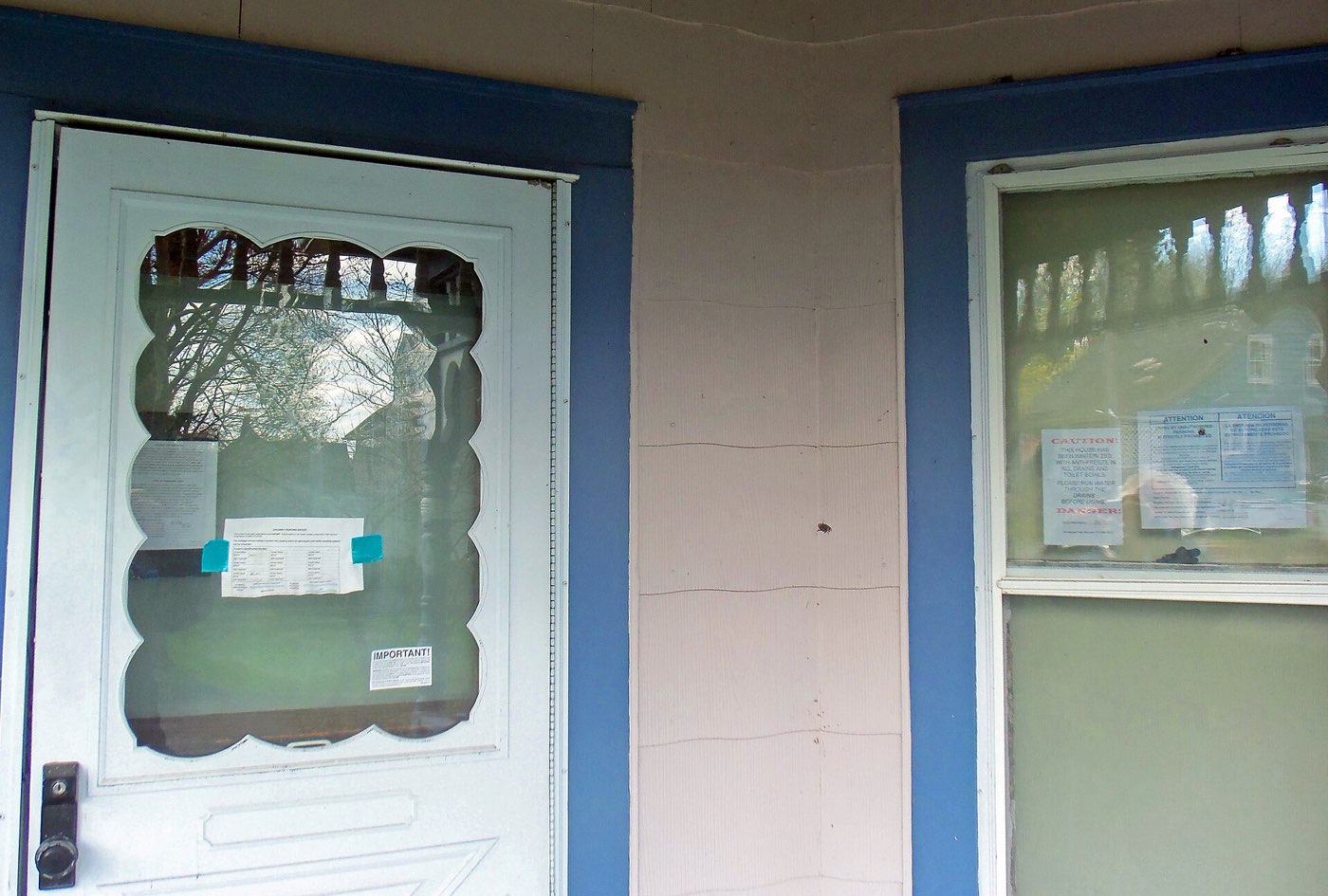
The auction ends, someone else owns the house, and the question everyone asks next is the wrong one. It is not “when do I have to be out” — it is “what does the new owner still have to do before anyone can make me leave.” The answer is a court process, and it takes longer than the sale did.
The sale changes the owner, not the occupant
A foreclosure sale conveys title. It does not convey possession. In every state, a purchaser who wants an occupied property emptied has to obtain a court order and have a public officer carry it out. Nobody may change your locks, cut your utilities, remove your belongings or park a truck in the driveway to hurry you along; those are “self-help” evictions, they are illegal essentially everywhere, and in a number of states they carry statutory damages payable to the occupant.
That is the single most useful fact at this stage, because the pressure applied to former owners in the days after a sale is often designed to make it feel otherwise. If you are unsure where you stand, your state’s foreclosure page sets out the sale procedure and any post-sale rights, and the sequence that led here is mapped in how foreclosure works.
Step 1 — title has to actually transfer
In non-judicial states the trustee records a trustee’s deed, usually within days or a few weeks of the sale. In judicial states a court frequently has to confirm or ratify the sale first, and a sheriff’s deed follows; that alone can take weeks to a couple of months, and objections filed during the confirmation window can stretch it further. Until the deed is recorded, the purchaser is not the owner and cannot begin anything.
Step 2 — the notice to quit
The new owner must serve a written demand that you leave by a date. The length is set by state statute and by what you are: a former owner typically gets somewhere between 3 and 30 days, with three business days common in several states and longer periods in others. The notice has to be served the way the statute requires. Defective service is the most common reason an eviction gets restarted from the beginning.
Step 3 — the eviction lawsuit
If you have not left, the purchaser files a summary possession case — “unlawful detainer,” “forcible entry and detainer,” “summary process,” “ejectment,” depending on the state. These cases are deliberately fast: short answer deadlines, limited defenses, an early hearing. If the purchaser wins, the court issues a writ of possession, and the sheriff or marshal schedules the lockout, usually giving its own short notice first.
| Stage | Who acts | Typical duration | What you can do |
|---|---|---|---|
| Sale to recorded deed | Trustee or court | Days to 2 months | Redeem where the state allows; check the sale for defects |
| Notice to quit | New owner | 3–30 days | Negotiate move-out terms; verify service was proper |
| Eviction case filed to judgment | Court | 2 weeks to 3 months | Answer on time; raise defenses; request more time |
| Writ of possession to lockout | Sheriff | Days to a few weeks | Move belongings; ask about storage rules |
Ranges are indicative and vary widely by state and by how busy the local court is. Verify the deadlines that apply to you with a lawyer or a free counselor.
Redemption states: the right to stay while the clock runs
A minority of states give the former owner a statutory period after the sale to buy the property back, and in several of them the former owner is entitled to remain in possession during that period — Michigan, Minnesota, Alabama and Kansas are among the states with meaningful post-sale redemption. Where that is the rule, the purchaser cannot evict until the period expires unless the property is damaged or abandoned. The amounts, the deadlines and whether possession comes with the right are covered in reinstatement and redemption and on your state page.
If you are a tenant, not the borrower
Renters in a foreclosed property have their own federal protection. The Protecting Tenants at Foreclosure Act, which lapsed in 2014 and was restored on a permanent basis effective in June 2018, requires the purchaser at a foreclosure sale to honor a bona fide lease through its remaining term, and to give at least 90 days’ written notice to vacate before an eviction. The purchaser may end a bona fide lease early only to occupy the property as a primary residence — and even then, the 90-day notice still applies.
A lease is “bona fide” when the tenant is not the borrower or the borrower’s child, spouse or parent; the tenancy was arm’s-length; and the rent is not substantially below market, unless it is subsidized. The Act sets a floor: state and local laws that give tenants more are not displaced, and several cities require just cause or relocation payments on top.
Cash for keys
Purchasers, and especially lenders that took the property back, routinely offer money for a voluntary, prompt, broom-clean move-out. It is a straight economic trade — an eviction costs them legal fees and months of carrying costs — and the amounts are negotiable rather than fixed. Three rules if you take one:
- Get it in writing before you pack, naming the amount, the date, the condition of the property and who pays for what.
- Insist on payment at handover, by certified funds, not “after inspection” or “within 30 days.”
- Read what you are signing away. Some agreements include a broad release of claims. That may be fine; it should at least be a conscious choice, and it is worth 20 minutes with legal aid.
Five things that cost people money here
- Leaving early and quietly. Walking out the week of the sale forfeits any redemption right, any cash-for-keys leverage, and sometimes the security of an address for mail that matters.
- Ignoring the summons. A default judgment ends the case in days and puts an eviction on your record, which follows you into the next rental application.
- Abandoning belongings. States have specific storage and notice rules for property left behind; leaving it invites a dispute you will lose.
- Missing surplus funds. If the sale brought more than the debt and costs, the excess belongs to you, and it is usually claimed through the court or the trustee, on a deadline. Ask in writing whether a surplus exists.
- Assuming the debt ended with the sale. Whether a shortfall can still be pursued is a state-by-state question — see deficiency judgments.
Where to get help that costs nothing
A free HUD-approved housing counselor can confirm what your state allows and refer you to legal aid, which handles eviction defense in most metropolitan areas; many courts also run a self-help center or a duty-lawyer desk on eviction days. Active-duty servicemembers have additional protections under the Servicemembers Civil Relief Act. When you are ready to look forward, the waiting periods and the rebuilding sequence are in buying a house after a foreclosure. Claude Loan is an information site — not a lender, a servicer or a law firm; an eviction is a lawsuit, and lawsuits deserve a lawyer.
Frequently asked questions
Can the new owner change the locks the day after the sale?
No. Locking out an occupant without a court order and a sheriff is a self-help eviction, which is unlawful in essentially every state and often gives the occupant a damages claim. The lawful route is notice, lawsuit, judgment, writ.
How long does the whole process usually take?
From sale to lockout, several weeks in the fastest states and courts, and several months where the sale must be confirmed, the docket is crowded or a redemption period runs first. Nothing about it is automatic, and every stage has its own notice.
Do I still have to pay the mortgage after the sale?
No. The loan was resolved at the sale. You are also not a tenant of the purchaser and generally owe no rent unless you sign an agreement to stay — but you do remain responsible for utilities you use, and a purchaser can seek the fair value of your occupancy in some states.
I am a tenant with eight months left on my lease. Does the sale end it?
Under the federal rule, a bona fide lease survives the foreclosure and the purchaser steps into the landlord’s shoes for the remaining term, with the narrow exception of a buyer who will live there — who still owes you 90 days. Keep paying rent, in a traceable way, and ask in writing where to send it.
What happens to the money if the house sold for more than I owed?
Surplus proceeds belong to the former owner after junior lienholders are paid, and are usually deposited with the court or held by the trustee pending a claim. They are not paid out automatically; you have to ask, and there is a deadline.
Sources
Related: How foreclosure works, step by step: judicial and non-judicial, Reinstatement and redemption: the two ways to stop a foreclosure with money, Deficiency judgment after foreclosure: when you can still owe money, Buying again after foreclosure, short sale or bankruptcy: the waiting periods. Hub: Mortgage problems.