Foreclosure surplus funds: the money left after the sale, and how to claim it
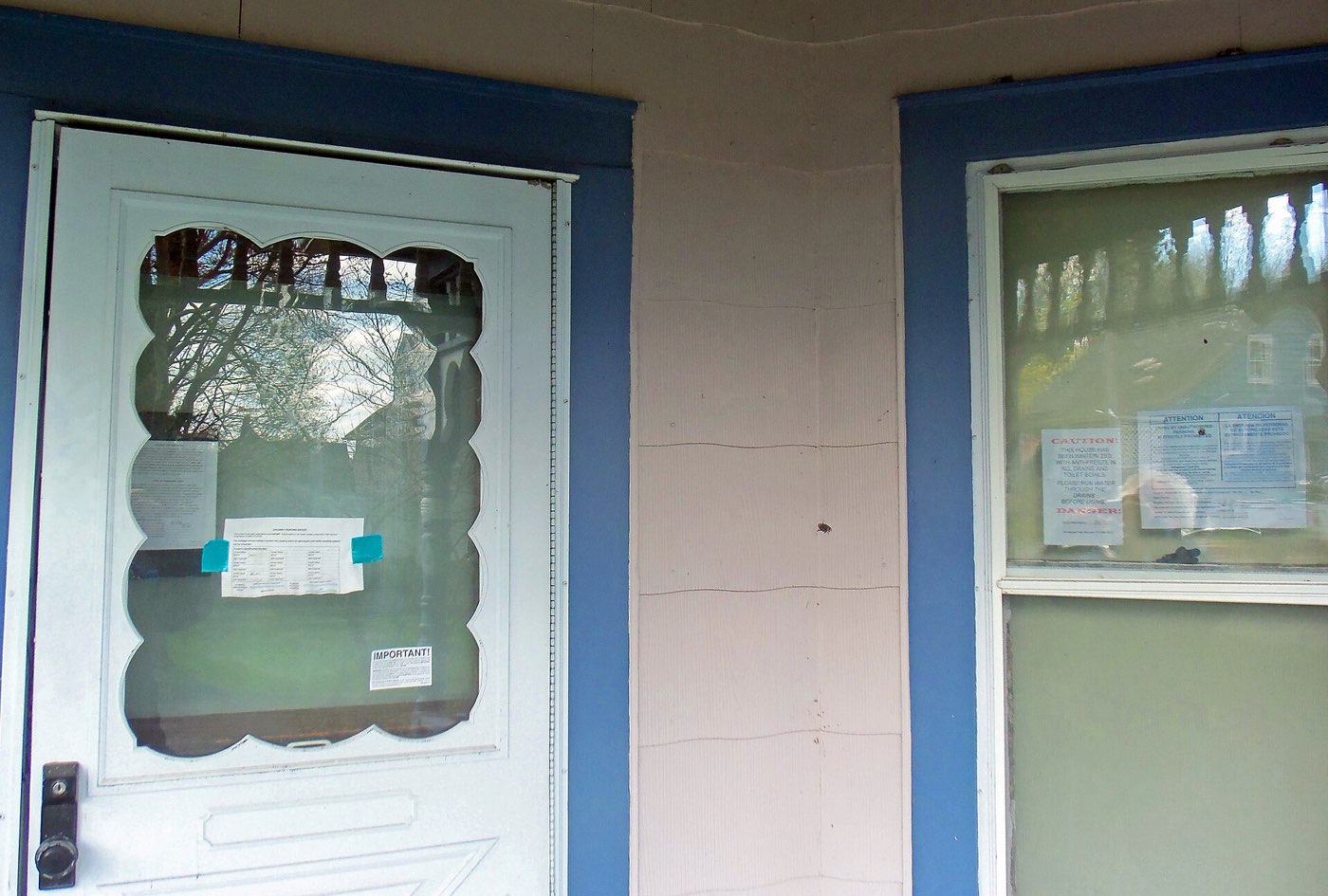
Most people assume a foreclosure ends at zero: the house is gone, the debt is gone, nothing is left. Sometimes the sale raises more than everything owed against the property, and that difference belongs to the former owner. It is not mailed automatically, it is not advertised, and in several states it disappears on a deadline that nobody explains at the time.
Where the sale money goes, in order
A foreclosure sale produces a pot of money that is distributed by rank, not by need. The usual order is: the costs of conducting the sale, then the lien that foreclosed, then junior liens in the order they were recorded, then whatever is left — the surplus, also called excess proceeds or overage — to the former owner. Property taxes and, in some states, a portion of unpaid homeowners association assessments sit ahead of everything, because they are statutory liens rather than contract liens.
Two things follow from that ordering. A surplus exists only when the winning bid clears the whole stack, which is why it is far more common in appreciating markets and at tax sales than in the underwater cases described in underwater mortgage options. And a homeowner can end a foreclosure with money coming back and still owe a shortfall to a junior lender, because the lien is extinguished from the property while the personal debt is not — the mechanics are in deficiency judgments after foreclosure.
A worked example
Illustrative figures, on a property that sold above the debt at a trustee sale:
| Line | Amount |
|---|---|
| Winning bid at the sale | $310,000 |
| Costs of sale (trustee or attorney fees, publication, title report) | −$9,600 |
| Payoff of the foreclosing first mortgage (principal, interest, advances) | −$228,400 |
| Recorded second mortgage / HELOC balance | −$34,000 |
| Recorded HOA assessment lien | −$4,300 |
| Surplus payable to the former owner | $33,700 |
Change one line and the story changes completely. If the second mortgage had been $80,000 instead of $34,000, there is no surplus at all and the junior lender is left holding a partially unpaid note. If the first mortgage had been foreclosed six months earlier, before another round of price growth, the same house might have brought $270,000 and produced nothing. Surplus is an accident of timing and bidding, not a right that attaches to every sale.
Tax foreclosure: the rule changed in 2023
Until recently, roughly a dozen states let a county keep the entire value of a property sold for delinquent taxes, no matter how small the tax bill. In Tyler v. Hennepin County, decided May 25, 2023, the Supreme Court held that keeping the difference was a taking under the Fifth Amendment. The facts were stark: a condominium accumulated about $15,000 in taxes, interest and penalties, the county sold it for $40,000, and kept the roughly $25,000 excess.
The consequence for homeowners is direct. A local government may use tax foreclosure to collect what it is owed, and must give the former owner an avenue to recover the rest. States have been rewriting their statutes since, and the claim procedures they wrote differ in who may file, where, and by when. If the loss was a tax sale rather than a mortgage foreclosure, start with your state’s new procedure and see unpaid property taxes and tax lien foreclosure for how those sales work.
Finding out whether there is a surplus at all
- In judicial states, the sale is reported to the court. Look for a report of sale, a motion to confirm the sale, or a clerk’s accounting in the case docket; surplus is typically deposited with the clerk of court and held in the registry.
- In non-judicial states, the trustee or sale officer prepares an accounting of the proceeds. Ask the trustee named on the notice of sale, in writing, for the accounting and the amount of any surplus held.
- Unclaimed property. If nobody claims the money, many states eventually escheat it to the state treasurer’s unclaimed property division, where it is searchable by name for free.
- Watch the mail. Where notice to the former owner is required, it often goes to the foreclosed address — file a forwarding order before you move out.
Whether the sale was judicial or non-judicial, and who holds the money afterward, follows your state’s procedure — the type and the published timelines for your state are on its foreclosure page.
Claiming it
- Confirm the amount and the holder. Get the accounting in writing from the trustee, the clerk or the tax collector before you sign anything with anyone.
- File the claim the state prescribes. Usually a verified claim or motion for disbursement, with proof of identity, proof of ownership as of the sale date, and a copy of the deed or the sale record.
- Expect competing claims. Junior lienholders, judgment creditors, an ex-spouse with a recorded interest, the IRS, or heirs of a deceased owner may file for the same funds; the court or trustee resolves the priority, sometimes through an interpleader.
- Follow the money to disbursement. Orders take time to become checks. Keep a docket number, a contact and a written record of every filing.
The deadline is the part that ends the story
Every state sets a window, and they are not similar to each other: some are measured in months from the sale or from the recording of the deed, others in years, and a few require the claim before the sale is confirmed. Miss it and the funds may go to the state, to a junior claimant, or in some tax-sale regimes to the taxing body. Assume the shortest plausible window until you have read your own state’s statute or asked a lawyer, and do not wait for a letter that may never arrive at an address you left.
Recovery firms, finder fees and outright fraud
Surplus lists are public, so letters arrive within days offering to “recover funds you may be entitled to” for a percentage. Some firms do real work where the procedure is complicated; others charge fees that consume most of the money, and the worst use an assignment of claim to take the whole surplus.
Several states cap what a recovery agreement may charge — Washington limits the finder’s fee to 5 percent, Florida caps compensation on surplus recovery agreements at 12 percent — while other states have no cap at all. Before signing anything:
- Call the clerk of court, the trustee or the county treasurer and ask what the claim process costs. In many places it is a form and a filing fee.
- Read what you are signing: a limited authorization to file on your behalf is not the same document as an assignment of your claim.
- Never pay an upfront fee to someone who contacted you first, and check the fee cap in your state before agreeing to a percentage.
- Verify any claim that money is “waiting” for you directly with the holder — the same posture that defeats the schemes in foreclosure rescue scams.
A free HUD-approved housing counselor, a legal aid office or your state’s bar referral line can usually tell you within one call whether your state’s process needs a lawyer at all.
Is the surplus taxable?
A foreclosure is treated as a sale of the property for tax purposes, so the surplus is part of the proceeds of that sale and gain or loss is computed against your basis. The home sale exclusion may apply to a principal residence when its conditions are met, and separately, forgiven debt can generate its own reporting on Form 1099-A or 1099-C. The whole picture is in taxes after a foreclosure or short sale — a question for a tax professional, not for a claim form.
Claude Loan is an information site — not a lender, a servicer, a law firm or a HUD-approved counseling agency. Surplus rules, deadlines and priority fights are governed by state law and by the specific record in your case; use this to ask precise questions, not as legal advice. Overview of the wider path: mortgage problems.
Frequently asked questions
Does the lender get to keep whatever the house sells for?
No. The foreclosing lender is generally entitled to what it is owed plus the costs of the sale. Anything above that stack, after junior lienholders are paid in their recorded order, belongs to the former owner, and Tyler v. Hennepin County extended that principle to tax foreclosures in 2023.
How do I find out if I have surplus funds without paying anyone?
Ask the trustee named on the notice of sale, or the clerk of court in a judicial state, for the accounting of proceeds. If time has passed, search your state’s unclaimed property database by name. Both are free.
Can I claim a surplus if I still owe a second mortgage?
You may, but the junior lienholder is generally paid from the proceeds before you are. A surplus is what remains after every recorded lien is satisfied, so a large second can absorb all of it.
How long do I have to file a claim?
It depends entirely on the state, and the range is wide — some windows are a matter of months from the sale or from recording of the deed, others run for years. Treat it as urgent and verify your own state’s statute, because unclaimed money is eventually forfeited or escheated.
A company says it can get my money for a percentage. Should I sign?
Find out first what the process actually requires where you live and what your state allows a recovery firm to charge. Some states cap the fee, others do not, and an assignment of claim can transfer far more than the right to file paperwork. Verify the surplus directly with the holder before signing anything.
Sources
Related: Deficiency judgment after foreclosure: when you can still owe money, Unpaid property taxes: tax liens, tax sales, and how they outrank your mortgage, How foreclosure works, step by step: judicial and non-judicial, Taxes after a foreclosure, short sale or forgiven mortgage debt: 1099-A, 1099-C and the exclusions. Hub: Mortgage problems.