HOA dues and your mortgage: how lenders count them and underwrite the association
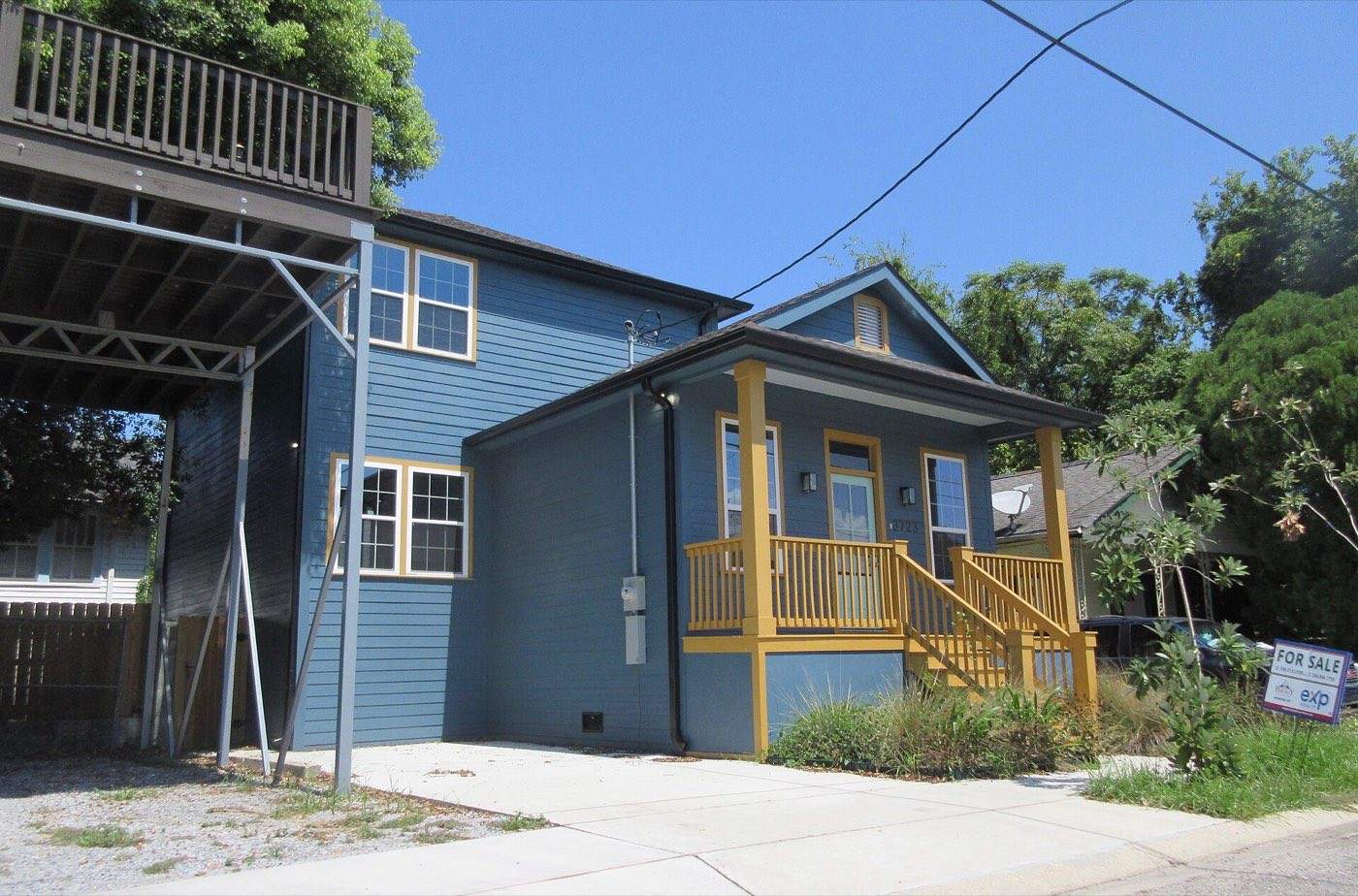
In a condominium or a governed subdivision you are buying two things: the unit, and a share of an association with a budget, a repair backlog and rules. The lender underwrites both — and buyers who only shopped the first one are the ones surprised at the pre-approval stage.
Dues shrink the loan you qualify for, dollar for dollar
Association dues are part of the monthly housing expense a lender enters on the application, alongside principal, interest, taxes, insurance and any mortgage insurance — the PITIA figure that drives the debt-to-income calculation. They are not a side expense you can absorb later. Illustrative arithmetic on a $7,500 monthly gross income and a 45% ceiling:
| Line | No association | $400 monthly dues |
|---|---|---|
| Gross monthly income | $7,500 | $7,500 |
| Total debt budget at 45% | $3,375 | $3,375 |
| Car, student loan, cards | −$800 | −$800 |
| Association dues | $0 | −$400 |
| Left for principal, interest, taxes, insurance | $2,575 | $2,175 |
Assume $600 of that goes to taxes and insurance in both cases. At an illustrative 6.5% over thirty years, $1,975 of principal and interest supports roughly $312,000 of loan and $1,575 supports roughly $249,000 — so $400 a month of dues costs about $63,000 of borrowing power. Those are round illustrative numbers, not an offer; the payment tables show the same math at other amounts and rates. It also cuts the other way: dues that cover water, trash, insurance on the building and the roof fund are buying things a single-family owner pays for separately.
What dues buy — and the insurance seam
A typical assessment funds common-area maintenance, management, the master insurance policy, and a contribution to reserves for the roofs, elevators, siding and pipes that will need replacing on a schedule. The seam to understand is insurance. The master policy usually stops somewhere between the studs and the paint, which is why lenders require unit owners to hold an HO-6 policy where the master policy does not cover the interior, or where it carries a per-unit deductible. Fannie Mae expects that HO-6 to be enough to restore the unit, or at least to cover the master policy’s per-unit deductible — the mechanics are in the homeowners insurance guide.
Dues are also, in nearly all cases, not escrowed: the servicer collects taxes and insurance, and you pay the association directly. That is a genuine budgeting trap for first-time buyers who assume one payment covers everything, and it has teeth. Associations can record a lien for unpaid assessments and, depending on state law, pursue foreclosure on that lien — a small unpaid balance is a bad thing to let drift. If payments are already slipping, the mortgage problems hub covers the order to deal with things.
The association is underwritten too
For a condominium or co-op, the lender reviews the project as well as the borrower. As of the August 2026 Selling Guide, Fannie Mae’s routes are a full review, a Fannie Mae review through its Project Eligibility Review Service, or a waived review — the last covering detached condos, two-to-ten unit projects and most units in planned unit developments. A full review tests the association itself:
- Reserves. The budget must allocate at least 10% of budgeted assessment income to replacement reserves, or a qualifying reserve study must show adequate funding. Fannie Mae has announced that this minimum rises to 15% for loan applications dated on or after January 4, 2027 (Lender Letter LL-2026-03), and that the baseline funding method — letting reserves run toward zero — cannot be used to get under it.
- Delinquencies. No more than 15% of units more than 60 days past due on their assessments.
- Critical repairs and deferred maintenance. Significant unaddressed structural or safety repairs make a project ineligible until they are resolved.
- Special assessments. Pending or active assessments are examined for what they are for and whether the association can pay for the work.
- Concentration and litigation. Limits on how many units one entity owns, on the share of commercial space, and on litigation that goes beyond routine matters.
Freddie Mac runs an equivalent framework, and FHA and VA maintain their own approved-project lists — which is why a unit can be financeable with one loan type and not another. In a planned unit development the association usually matters far less to the lender: the review is generally waived and the dues still count in your ratios. Co-ops are their own world, with share loans and boards that approve buyers.
The document pack to demand
Most states give a buyer a statutory window to review association documents and cancel; the deadline is short and it starts when the package is delivered, so ask for it the day the contract is signed. What to read, in order of what actually predicts trouble:
- The reserve study and the current reserve balance. Compare the recommended contribution with what the budget actually funds. A large gap is a future special assessment.
- Twelve months of board minutes. Roof bids, litigation, insurance non-renewal and dues increases appear here before they appear anywhere else.
- The budget and the last two years of dues history. Flat dues across a decade of rising costs are a warning, not a selling point.
- The master insurance certificate, including the per-unit deductible you would owe after a loss.
- The delinquency rate and any pending or approved special assessment.
- The rules on rentals, pets, vehicles and renovations — and the rental cap, which can decide whether you could ever let the unit out.
Special assessments, and who pays
A special assessment is a one-off charge levied on every owner for something the reserves cannot cover — a roof, a facade repair, an insurance shortfall. Liability usually attaches by ownership at the time it is levied or falls due, so timing around a closing matters, and contracts often allocate an assessment approved before closing to the seller. Get the allocation written into the contract rather than assumed, and confirm with the association in writing what has been approved, what is under discussion, and what the payment schedule looks like. From the lender’s side, an assessment discovered late can pause the file while the project is re-reviewed.
What you pay at closing
Beyond the dues themselves, expect the prorated share of the current month, a transfer or estoppel fee charged by the association or its manager for producing the payoff and certificate, the cost of the resale document package where state law lets the association charge for it, and — in many newer projects — a capital contribution, often set at a fixed sum or a couple of months of dues, paid into reserves and not refundable. These appear on the Closing Disclosure alongside everything else in the closing costs breakdown, and they are among the few charges a seller may agree to cover.
Frequently asked questions
Are HOA fees included in my mortgage payment?
Almost never. Taxes, homeowners insurance and mortgage insurance are escrowed with the loan payment; association dues are billed by the association and paid directly, usually monthly or quarterly. They are nonetheless counted in full when the lender decides how much you can borrow.
Do lenders really count dues in the debt-to-income ratio?
Yes. Association dues are part of the monthly housing expense entered on the application for the subject property, and for a second home or investment property the whole payment including dues is treated as a monthly obligation. A late-discovered dues figure is a common reason a pre-approval amount shrinks.
Can a loan be denied because of the association rather than the borrower?
It happens regularly in condominiums — underfunded reserves, high delinquencies, unresolved critical repairs, litigation or too much commercial space can make a project ineligible for conventional financing regardless of how strong the borrower is. The usual workarounds are a different loan type, a portfolio lender or a larger down payment, and none is guaranteed. The condo and second home rules go through the project tests in detail.
How much can dues go up?
Governing documents and state statutes sometimes cap annual increases the board can adopt without a vote of the owners, but the caps are rarely tight and almost never apply to special assessments. Insurance premiums and reserve requirements have been the main drivers of recent increases, so read the insurance line of the budget before assuming today’s figure holds.
What happens if I stop paying dues?
Late fees and interest come first, then collection, then a recorded lien; depending on state law an association may be able to foreclose on that lien even while the mortgage is current, and unpaid dues can also put the loan in default under its own terms. Talk to the association early — payment plans exist — and take legal advice on your state’s rules before ignoring a notice.
Sources
Related: Homeowners insurance when you buy: what the lender requires, what it costs, Debt-to-income ratio limits by loan type — and how to lower yours, Conventional loans for condos and second homes: the extra rules, Closing costs explained: what is negotiable, what is not. Hub: First-time buyer.