Manufactured and mobile home loans: real property, chattel, and why the difference decides everything
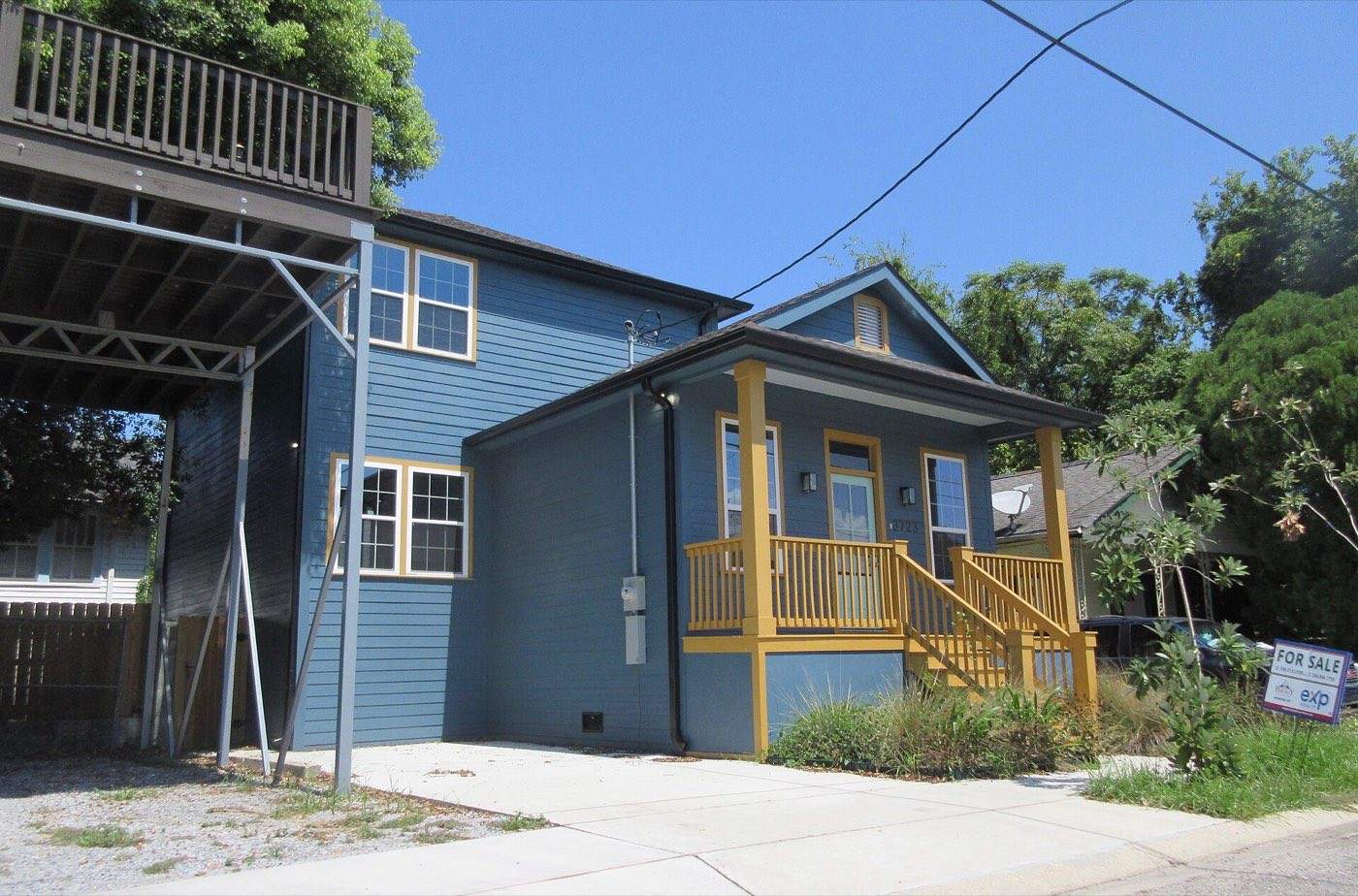
A manufactured home is often the cheapest way into ownership in an expensive county — and the financing is nothing like a site-built purchase. The decisive question is not the home. It is whether the home is legally real estate or a piece of personal property, because that single classification sets the loan type, the term, the rate and whether the thing appreciates with the land under it.
Three words that are not synonyms
- Mobile home — factory-built housing produced before June 15, 1976, the date the federal HUD Code took effect. Most mainstream programs will not finance one, and many parks will not accept one. If a listing says "mobile home," find out the build date before anything else.
- Manufactured home — built to the HUD Code after that date, carrying a red HUD certification label on the exterior and a data plate inside. This is what the programs below are about.
- Modular home — built in sections to the same state and local building codes as a site-built house, with no HUD label. It is financed as ordinary real estate and is not covered by manufactured-home rules at all.
Real property or personal property
A manufactured home starts life titled like a vehicle. It becomes real property only when the state's conversion steps are completed — permanently affixing it to a foundation, retiring the certificate of title, and recording an affidavit of affixture or the equivalent, on land the owner holds. Until then, financing it means a chattel loan: a personal-property loan, typically over shorter terms and at meaningfully higher rates than a mortgage, and without much of the consumer machinery that surrounds real-estate lending.
The cost gap is the whole story. Illustrative numbers on $120,000 borrowed, using rates for illustration only and not quotes:
| Structure | Illustrative rate | Term | Monthly principal and interest |
|---|---|---|---|
| Chattel loan, home in a leased-lot community | 9.00% | 20 years | ≈ $1,080 |
| Real-property mortgage, home and land | 6.75% | 30 years | ≈ $778 |
Roughly $300 a month, before counting lot rent on one side and property taxes on the other. Our payment tables show the same arithmetic at other amounts and rates. The second row also builds equity in land, which is what makes the difference compound over a decade rather than merely showing up in a monthly budget.
The programs, side by side
| Route | Land required? | Foundation | What it is for |
|---|---|---|---|
| FHA Title I | No — leased lot allowed | Not required to be permanent | Home alone, lot alone, or home-and-lot; national limits set by HUD |
| FHA Title II | Yes, owned or being purchased | Permanent, to HUD's foundation guide | A real mortgage on home plus land, at standard FHA loan limits |
| Conventional, standard manufactured | Yes | Permanent | Fannie Mae and Freddie Mac loans, lower maximum LTV than site-built |
| MH Advantage / CHOICEHome | Yes | Permanent | Homes with site-built features, eligible for higher LTV and better pricing |
| VA | Usually | Permanent | Eligible veterans; lender participation is limited in practice |
| USDA Section 502 | Yes, in an eligible rural area | Permanent | New units meeting program conditions; existing units are restricted |
| Chattel loan | No | Any | Personal-property financing, shortest terms and highest rates |
FHA Title I and Title II
Title I is the program built for the leased-lot case: the home does not need a permanent foundation and you do not need to own the ground. Its limits are national rather than county-by-county, and since 2024 HUD adjusts them annually using a Census-based index — as of 2026 they run roughly in the low $100,000s for a single-section home, somewhere near $190,000 for a multi-section, and a bit above $230,000 for a home-and-lot combination. Treat those as orders of magnitude and confirm the current figures with HUD, because they move every year. The practical catch is finding a lender: the number of active Title I originators is small.
Title II is a genuine mortgage on the home and the land together, at the same FHA forward limits as any other FHA loan — for 2026 that runs from about $541,000 in low-cost counties to roughly $1.25 million in the highest-cost ones, so the limit is almost never the binding constraint here. The foundation must satisfy HUD's Permanent Foundations Guide for Manufactured Housing, and lenders routinely require an engineer's certification saying so. Down payment and mortgage insurance work like any FHA loan, which the FHA versus conventional comparison covers.
MH Advantage and CHOICEHome
Fannie Mae's MH Advantage and Freddie Mac's CHOICEHome are the two programs designed to close the gap with site-built housing. They apply to manufactured homes carrying the corresponding sticker or label, which the manufacturer applies to units built with features such as a pitched roof, drywall interiors, energy-efficiency standards and a garage or carport. Homes that qualify may be financed at higher loan-to-value ratios than standard manufactured homes — up to 97% in the affordable-product combinations, against a lower ceiling for standard manufactured units — and priced closer to a site-built loan. The two agencies have been aligning their requirements, so verify the current criteria on the product pages rather than on a builder's brochure, and confirm the label exists on the specific unit before assuming eligibility.
What underwriting looks at that you would not expect
- The HUD label and data plate. Missing or removed, and the file usually stops until a label verification letter is obtained. Photograph both when you view the home.
- Foundation certification. An engineer inspects and certifies compliance; a home set on piers without proper anchoring can fail, and remediation is the buyer's problem.
- Whether the title was ever retired. A home sold as real estate but still holding a live certificate of title is a common, fixable, deal-delaying mess. Ask the closing agent to confirm early — related to the searches described in the title insurance guide.
- Prior moves. Several programs restrict homes that have been relocated more than once from their original site.
- Comparable sales. Appraisers are expected to use manufactured-home comps, which can be thin in some markets and is a live reason for an appraisal gap.
- Insurance. Coverage is a specialty line with its own wind and anchoring requirements, and premiums vary widely by state; the homeowners insurance guide explains what the lender will demand.
The leased-lot question
Buying the home while renting the ground is the arrangement most manufactured-home owners have, and it carries a risk that has nothing to do with the loan: the lot rent, and who owns the community. Rent can rise on renewal, the community can be sold, and moving a home is expensive enough — often five figures once you account for permits, transport, re-setting and re-connecting utilities — that it is rarely a real option. Before signing, read the lease term and renewal mechanics, any cap on increases, the rules on selling the home in place, and whether the community has been sold recently. Some states give residents notice rights or an opportunity to purchase when a community is put on the market; that is state law, so check yours.
Where the goal is to own both the home and the ground, the classic path is to buy the land first or together and finance the whole thing as real property from day one. It costs more up front and it is the version that behaves like the housing wealth people are aiming for. Your state's first-time buyer page lists the housing finance agency programs, some of which include manufactured housing in their down payment assistance.
Frequently asked questions
Can I get a 30-year loan on a manufactured home?
Yes, when the home is titled as real property, sits on a permanent foundation and is financed with a conventional or FHA Title II mortgage on the home and the land. Chattel loans on personal property typically run shorter, which is a large part of why the monthly payment is higher even before the rate difference.
Why are chattel loan rates so much higher than mortgage rates?
Personal-property loans are not secured by land, the collateral can depreciate, the secondary market for them is thin, and the recovery process differs from foreclosure on real estate. Lenders price that. The comparison worth running is not chattel against a mortgage in the abstract but the total monthly cost of each real option in front of you, lot rent and property taxes included.
Can a pre-1976 mobile home be financed?
Rarely through mainstream programs, which key off the HUD Code that took effect on June 15, 1976. Financing usually means a personal loan or seller financing, both on harder terms. Verify the build date from the data plate rather than from the listing.
How do I convert my manufactured home to real property?
The steps are set by state law but generally involve owning the land, permanently affixing the home to a conforming foundation, surrendering the certificate of title to the motor vehicle agency, and recording an affidavit of affixture with the county. A title company or real estate attorney in your state handles it routinely; do it before applying for a real-property mortgage, not during underwriting.
Do manufactured homes lose value?
The old rule of thumb — that they depreciate like vehicles — describes chattel homes on rented lots better than it describes a permanently affixed home on owned land, whose value tracks the local market more closely. Program design reflects that: MH Advantage and CHOICEHome exist precisely because homes built and sited to those standards perform differently. Ask a local appraiser what comparable units have actually resold for.
Sources
Related: FHA vs conventional for a first-time buyer: which loan wins, and when, How much house can I afford? The math lenders actually use, Title insurance: what it covers, who it protects, and what it should cost, Homeowners insurance when you buy: what the lender requires, what it costs. Hub: First-time buyer.