The Construction and Renovation Loan Workbook (2026)
Choose between a one-time close, a two-time close, FHA 203(k), HomeStyle or a USDA combination loan, then budget, vet the builder, manage the draws and convert without surprises
Guaranteed as described, or refunded in full, and the wrong title switched within 7 days. Refund policy
For $75 more: The Claude Loan Library: Every Workbook and Ebook, 16 titles, $6.19 per title.
Secure checkout by Stripe (card or Apple Pay). Refund policy
Questions: mail@noreply.claude-loan.com
- 10chapters
- 2letter templates
- 38checklist items
- 21tables
Checked before every release
Every rule is cited by section to an official source you can open (how titles are checked, corrections)
- 68automated testsrun at every release: prices, links, pages and data checked before publication.
- ✓Rules cited by sectionevery rule quoted with its section (HUD, USDA) so you can check it.
- October 21, 2026editiondate of the current edition; rules and annual limits are updated when they change, and corrections are dated.
Built from the rules and data of HUD, USDA.
Who it is for
- Buyers who want to build a house on a lot, or buy a lot and build, and need to understand construction-to-permanent financing
- Buyers of a fixer-upper who want to finance the purchase and the repairs in one mortgage with FHA 203(k) or Fannie Mae HomeStyle
- Owners who plan a major renovation and want to compare a renovation mortgage with a home equity loan or cash
What it is not: it is not an approval or a quote: lenders set their own construction programs, rates and overlays on top of the rules quoted; it is not construction, engineering or legal advice: a licensed builder, an architect and, for contracts, an attorney remain essential.
In pictures
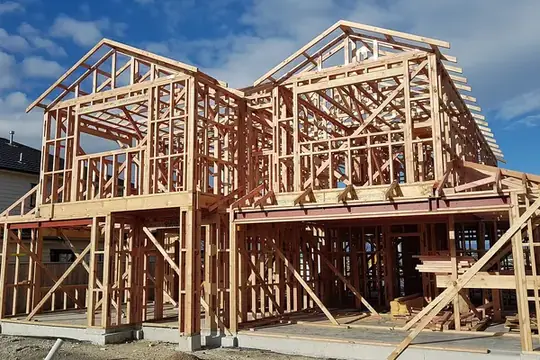
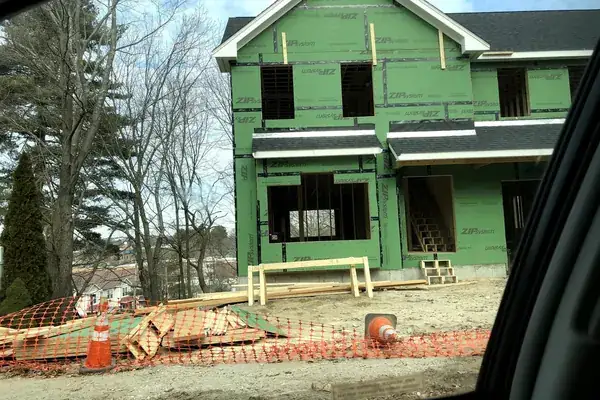
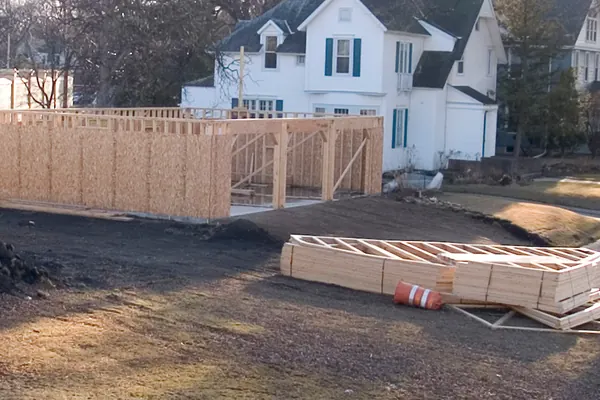
Illustrative photos, published by their authors under free licenses. They do not show our team, our readers or any loan.
Free guides, this ebook or the library
Our free guides explain the rules. The paid titles are the working copies: worksheets and checklists you fill in for your own loan, each citing the official rule.
Free guides
$0
our articles and your free state guide (PDF)
- ✓The rules explained, official sources cited
- —Worksheets you fill in for your own loan
- —38 checklist items
- —21 worksheets and reference tables
- —27-page PDF to print, plus an online copy
- —All 13 ebooks and the complete home loan kit
Construction loan ebook
$24
paid once
- ✓The rules explained, official sources cited
- ✓Worksheets you fill in for your own loan
- ✓38 checklist items
- ✓21 worksheets and reference tables
- ✓27-page PDF to print, plus an online copy
- —All 13 ebooks and the complete home loan kit
The Claude Loan Library: Every Workbook and Ebook
$99
16 titles; $431 bought one by one
- ✓The rules explained, official sources cited
- ✓Worksheets you fill in for your own loan
- ✓38 checklist items
- ✓21 worksheets and reference tables
- ✓27-page PDF to print, plus an online copy
- ✓All 13 ebooks and the complete home loan kit
Guaranteed as described, or refunded in full
What is inside
- Choose the structure: one closing, two closings, or a renovation loan free below
- The single-closing construction-to-permanent loan (Fannie Mae rules)
- The two-closing alternative: when it makes sense and what it costs
- Government-backed single-close loans: USDA, FHA and VA
- Renovation mortgages: FHA 203(k) and Fannie Mae HomeStyle in 2026
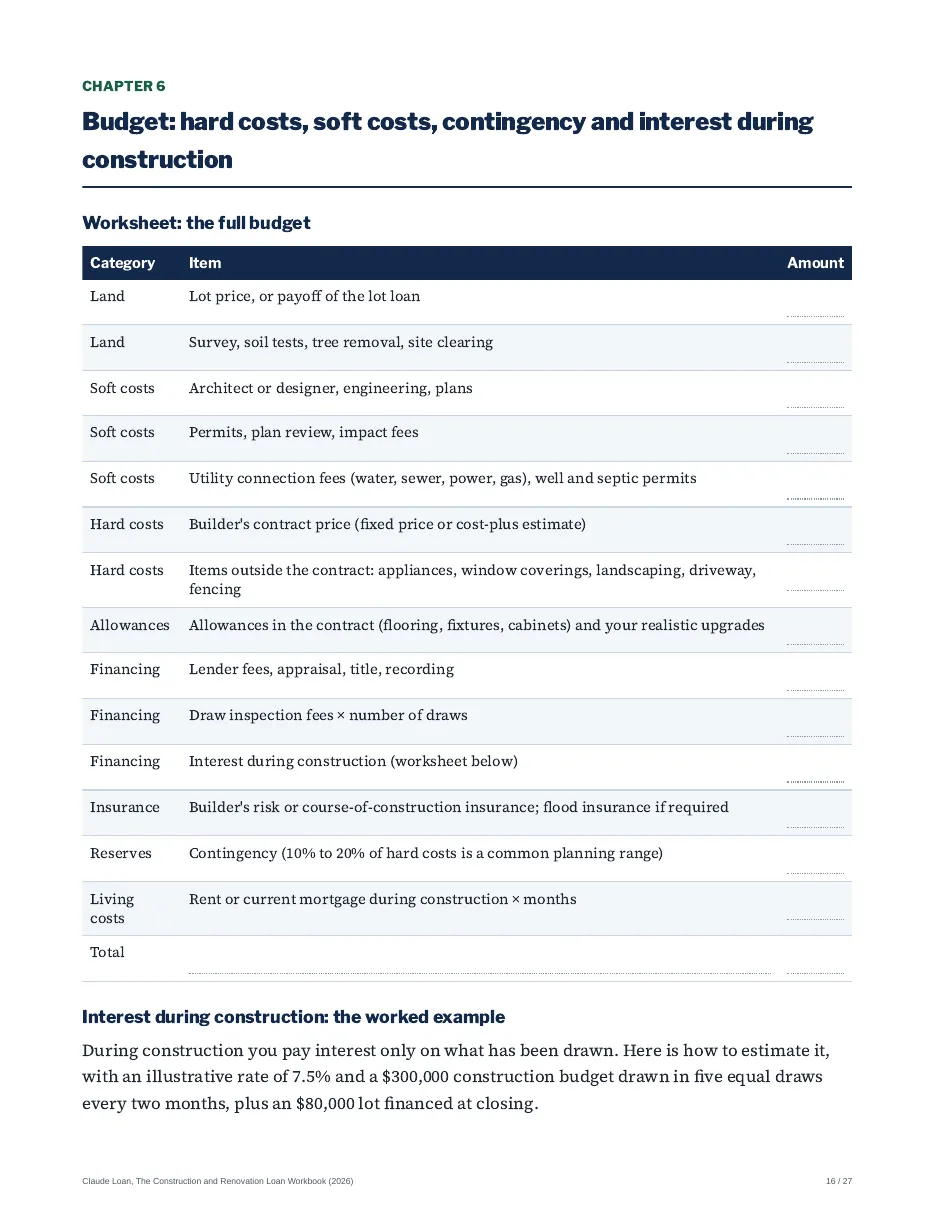
- Budget: hard costs, soft costs, contingency and interest during construction
- Vetting the builder and reading the construction contract
- Draws, inspections and lien waivers
- Delays, overruns, completion and conversion
- Letters, scripts and the final checklist
Included in the paid chapters: 38 checklist items and 19 worksheets or reference tables, each citing the official rule it relies on.
Introduction
Building a house or renovating one with a mortgage is not one loan decision but a chain of them: which loan structure, how many closings, when the rate is fixed, how the lender values a house that does not exist yet, who approves the builder, how money reaches the contractor, and what happens when the work runs late or over budget. Each link has its own rules, and most of the expensive surprises come from links nobody explained at the start.
This workbook takes the chain in order. It compares the main ways to finance building or renovating a home in 2026, then goes through the single-closing construction-to-permanent loan under Fannie Mae's rules, the two-closing alternative, the government-backed single-close options (USDA, FHA and VA), and the two main renovation mortgages (FHA 203(k) and Fannie Mae HomeStyle). The second half is practical: budget worksheets with contingency and interest during construction, a builder vetting checklist, a draw schedule, what to do when the project slips, and the conversion to the permanent loan.
How to use it: chapter 1 is the decision; read the chapter for your structure (2 to 5); then fill in chapters 6 to 9 with your lender and your builder before you sign the construction contract. Chapter 10 holds letters and the final checklist.
The rules quoted are those in force in October 2026: the Fannie Mae Selling Guide (B5-3.1-02, dated 05/06/2026, for single-closing construction-to-permanent loans; B5-3.2-02 to B5-3.2-05 for HomeStyle Renovation), HUD's Single Family Housing Policy Handbook 4000.1 as amended by Mortgagee Letters 2024-13 and 2026-06 for the 203(k) program, and the USDA guaranteed loan regulation at 7 CFR 3555.105 for combination construction and permanent loans. Lenders may add stricter requirements ("overlays"); where your lender's program differs, its written terms apply to your loan.
Chapter 1: Choose the structure: one closing, two closings, or a renovation loan
The five common ways to finance building or renovating
| Structure | What it is | Best fit | Main risk |
|---|---|---|---|
| Single-closing construction-to-permanent (one-time close) | One loan closed before construction; it funds the lot and the building in draws, then converts to a regular mortgage at completion without a second closing | You want one set of closing costs and permanent terms set at the start | Strict time limits; if the project fails, you are already in the long-term loan |
| Two-closing (construction loan, then a separate mortgage) | A short-term construction loan, paid off at completion by a new permanent mortgage | Long or unusual projects, owner-managed builds, or when you expect rates to fall | Two sets of closing costs; you must qualify again at the end, at future rates |
| Government single-close (USDA, FHA or VA construction-to-permanent) | Same idea as the one-time close, under the agency's rules | Buyers eligible for that program, often with little down | Few lenders offer it; builder requirements are strict |
| Renovation mortgage on a purchase or refinance (FHA 203(k), Fannie Mae HomeStyle, Freddie Mac CHOICERenovation) | One mortgage for the price of an existing home plus the repairs, with the repair money held in an escrow account and paid out in draws | Fixer-uppers and major renovations of a home you live in or buy | Paperwork, contractor bids before closing, value must support the total |
| Home equity loan, HELOC or cash | Borrowing against existing equity, or paying from savings | Smaller projects in a home you already own with equity | Second lien, variable rate on most HELOCs, no lender oversight of the contractor |
Decision tree
- Do you already own a house you will keep living in, with equity, and is the project modest? A home equity loan or HELOC may be simpler than any renovation mortgage. Compare the total cost in chapter 6 anyway.
- Are you buying an existing home that needs work? Look at FHA 203(k) (chapter 5) if you want FHA's credit and down payment rules, Fannie Mae HomeStyle if you have conventional credit, a second home or an investment property.
- Are you building a new house? If you are eligible for USDA, FHA or VA, ask lenders for their single-close program (chapter 4). Otherwise compare a conventional single-closing construction-to-permanent loan (chapter 2) with a two-closing structure (chapter 3).
- Will construction take more than 18 months, or will you act as your own general contractor? A Fannie Mae single-closing loan cannot run past 18 months, and many lenders and all USDA combination loans exclude owner-builders: plan for a two-closing structure or a portfolio lender's program.
Worksheet: your project in one page
| Item | Your answer |
|---|---|
| Project type: new build on a lot I own, lot purchase and build, purchase and renovate, renovate my current home | |
| Lot status: owned since (date), or price of the lot to buy | |
| Estimated construction or renovation cost (builder's bid) | |
| Estimated value when finished (from the builder, an appraiser or comparable sales) | |
| Occupancy: principal residence, second home, investment | |
| Program eligibility: VA (certificate of eligibility), USDA (eligible area and income), FHA, conventional | |
| Builder or general contractor chosen? License number | |
| Target start date and expected duration in months | |
| Cash available for down payment, closing costs and overruns | |
| Can you pay rent or your current mortgage during construction? For how many months? |
Checkout by Stripe
Pay by card on Stripe’s secure page. Your card details never reach our servers.
Instant access
Your ebook opens right after payment, to bookmark, print or save as a PDF. A payment receipt is emailed to you.
One price, paid once
The price shown is the total in US dollars. No subscription, nothing charged later. Refund policy.
Sources you can check
2 links to official sources (HUD, USDA). An information publisher, not a lender, broker or advisor; not legal or financial advice. Terms of sale.
Frequently asked questions
What exactly do I receive?
Right after payment you land on your ebook page: the full text online, and a button to download the PDF (27 pages, US Letter, printable). Bookmark the page: the link stays valid and always shows the latest version. Your invoice is emailed to you.
Is it up to date for 2026?
Yes. Every rule is quoted as in force in October 2026, with its section number (CFR, HUD, FEMA, Fannie Mae or state rule) so you can check it yourself. When a rule or an annual limit changes, we update the online copy and the PDF.
Is the payment secure, and is it a subscription?
You pay once on Stripe’s secure checkout, by card or Apple Pay; your card details go to Stripe and never reach us. There is no subscription and nothing is charged later.
Who publishes the ebook?
Claude Loan, an information publisher: not a lender, broker, insurance agent, law firm or advisor, with no NMLS license. The ebook explains the official rules and gives you worksheets; your lender, insurance agent, a HUD-approved housing counselor or an attorney give the answers that apply to you.
What is the guarantee?
The ebook is guaranteed as described: if it does not open or contains an error, we fix it, and if we cannot, we refund you in full. Bought the wrong title by mistake? Write within 7 days and we switch it. A duplicate payment is always refunded. See the refund policy in the terms of sale.
Our other ebooks
Flood insurance ebook
The Flood Insurance Workbook for Home Buyers and Condo Owners (2026)
What your lender must require, what an NFIP or private policy really pays, the condo RCBAP gaps, and how to lower the premium before you sign.
$19 9 chapters, 28-page PDF + online copy
Title insurance ebook
The Owner's Title Insurance Guide for Home Buyers (2026)
Decide on the owner’s policy with real numbers: state rates, the Loan Estimate math, who pays, the commitment line by line, endorsements and claims.
$19 8 chapters, 22-page PDF + online copy
Reverse mortgage ebook
The Reverse Mortgage (HECM) Decision Workbook (2026)
The 2026 HECM limit, every fee, payout choices, the rules that protect a spouse and heirs, counseling preparation and the alternatives, priced.
$24 10 chapters, 24-page PDF + online copy
Compliance study guide
The Mortgage Compliance Study Guide (2026): ECOA, TRID, RESPA, SAFE Act and More
One-page rule summaries with the 2026 thresholds and more than 100 original practice questions, each answered with the exact CFR section.
$39 10 chapters, 32-page PDF + online copy
Self-employed ebook
The Self-Employed Mortgage Income Workbook (2026)
Run the Form 1084 cash flow on your own returns: Schedule C, K-1s, S corps, the liquidity test, under two years, declining income and business funds.
$24 11 chapters, 34-page PDF + online copy
SCRA ebook
The SCRA and Military Homeowner Workbook (2026)
Claim the 6% cap, stop a foreclosure without a court order, end a lease on orders, then keep, rent or sell the house after a PCS, with letters and trackers.
$19 10 chapters, 31-page PDF + online copy
Low appraisal ebook
The Low Appraisal and Appraisal Gap Playbook (2026)
Read the appraisal like an underwriter, file a reconsideration of value that gets read, and close an appraisal gap with numbers, not panic.
$19 10 chapters, 28-page PDF + online copy
Jumbo loan ebook
The Jumbo and High-Balance Loan Workbook (2026)
Find your county’s 2026 limit, see what changes between standard, high-balance and jumbo loans, and price staying under the line with your own numbers.
$29 8 chapters, 28-page PDF + online copy
LO compensation handbook
The Loan Originator Compensation and Conduct Handbook (12 CFR 1026.36, 2026)
Audit a pay plan against 12 CFR 1026.36: lender-paid or borrower-paid, the proxy test, the 10% bonus limit, the steering safe harbor, NMLS IDs and records.
$49 10 chapters, 41-page PDF + online copy
Flood compliance toolkit
The Flood Compliance Toolkit for Lenders and Loan Staff (12 CFR 339, 2026)
Test a flood file against 12 CFR 339 and the 2022 Interagency Q&As: triggers, the determination, exemptions, the minimum amount, deductibles, escrow, notices, private flood and force placement.
$39 9 chapters, 35-page PDF + online copy
Condo buyer ebook
The Condo Buyer's Mortgage Workbook: Project Approval, HOA Questionnaire and Insurance
Know before the appraisal whether the building can be financed: the 2026 project review rules, the HOA questionnaire line by line, FHA and VA approval, HO-6, assessments and the true monthly cost.
$29 9 chapters, 41-page PDF + online copy
ECOA adverse action toolkit
The ECOA and Regulation B Adverse Action Toolkit for Mortgage Lenders (2026)
Send the right Regulation B notice on time with the real reasons: applications, the 30-day clock, Appendix C forms, counteroffers, the valuations rule, age and income, 25-month records.
$49 10 chapters, 50-page PDF + online copy
Free guides on the same topic
- Buying new construction: builder incentives, preferred lenders and the punch list
- Renovation loans: HomeStyle, CHOICERenovation and FHA 203(k) compared
- Construction-to-permanent loans: one closing, two closings and the 18-month clock
$24 is the total you pay: no tax or fee is added at checkout. Payment by Stripe (card or Apple Pay), instant access after payment. Terms of sale and refund policy. Claude Loan is an information publisher, not a lender or advisor; the ebook is not legal or financial advice.